
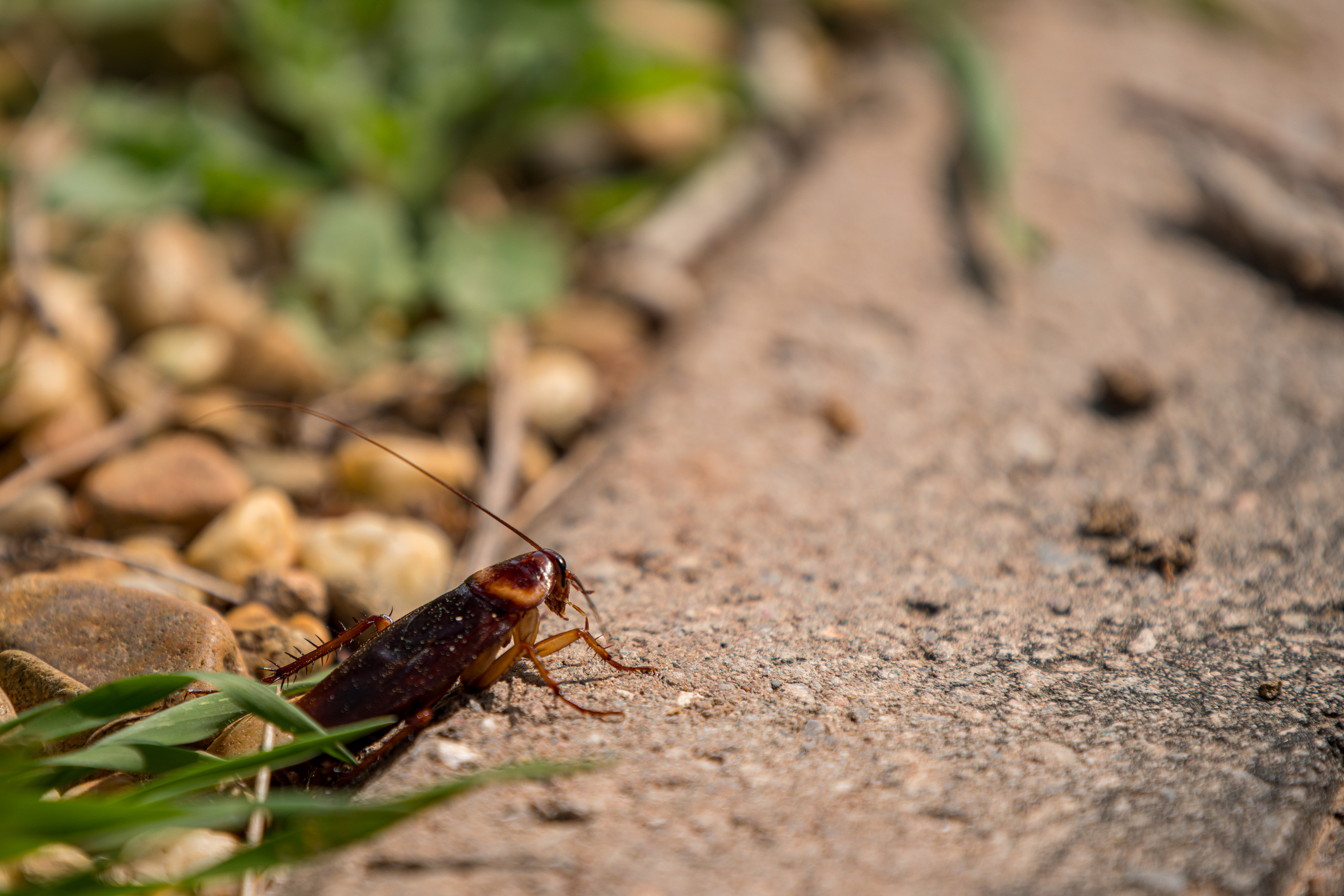
American Cockroach
The American cockroach — called the "palmetto bug" throughout Florida — is the largest cockroach species routinely found in homes and businesses, and one of the most common household pests in Central Florida. Despite its name, this species is believed to have originated in Africa and arrived in North America via ship trade centuries ago. Today it is deeply embedded in Florida's urban ecology, thriving in the warm, humid conditions that make the state a year-round habitat for cockroach populations of a scale rarely seen in colder climates. American cockroaches live primarily outdoors. Their preferred habitats include storm drain systems, sewer infrastructure, water meter boxes, palm tree skirts, moist mulch beds, compost piles, and dense landscaping — all common features of Central Florida properties. From these outdoor populations, they regularly migrate indoors through gaps in foundations, plumbing penetrations, weep holes, garage doors, and utility openings. A single storm drain in a typical Florida neighborhood can harbor hundreds of individuals, meaning the source population for indoor invasions is always close by and always active. Once inside, they favor dark, moist areas: beneath and behind appliances, inside wall voids near plumbing, under kitchen and bathroom cabinetry, in garages and utility rooms. They are generalist feeders and will consume food scraps, grease, paper, adhesives, and virtually any organic material. **Health and Property Concerns** American cockroaches pose documented health risks. They travel through sewers, garbage, and organic debris before walking across food preparation surfaces and stored food, mechanically transferring bacteria including Salmonella, E. coli, and Staphylococcus. Their shed exoskeletons and fecal droppings contain allergen proteins that are a known trigger for asthma attacks — research has consistently linked cockroach allergen exposure to asthma development and increased severity, particularly in children. Homes with active infestations have measurably elevated allergen levels in household dust. **Why Florida Is Particularly Affected** In northern states, outdoor cockroach populations decline sharply in winter. Florida's climate provides no such relief. The migration pressure on homes never stops — outdoor populations remain active and reproductive twelve months of the year. The abundance of mature landscaping, palm trees, municipal storm infrastructure, and year-round irrigation creates large outdoor populations immediately adjacent to homes. Florida homeowners who spot a single American cockroach indoors are almost certainly seeing one of a larger population in and around the property.
Learn More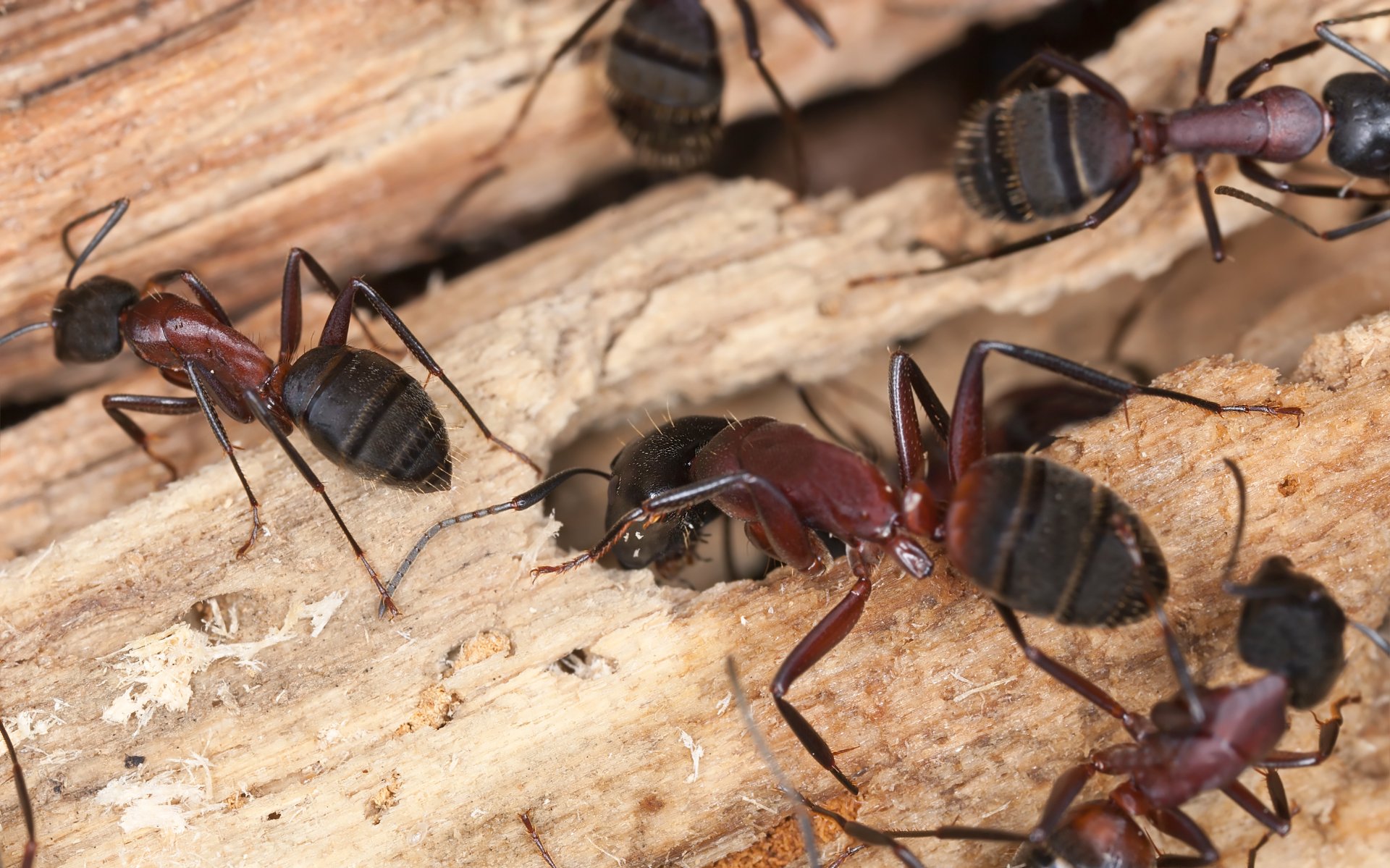
Carpenter Ants
Florida carpenter ants — primarily Camponotus floridanus and Camponotus tortuganus — are among the largest ants found in Central Florida homes, and unlike small nuisance ants, they can cause meaningful structural damage. Carpenter ants do not eat wood; they excavate smooth galleries through soft or moisture-damaged wood to create nesting chambers. In Florida, they target wood that has been softened by water intrusion, fungal decay, or previous termite activity, making active or recent moisture problems the most reliable indicator of carpenter ant infestation in a structure. Carpenter ants are common in Central Florida's wooded residential neighborhoods and in homes bordered by trees, stumps, or organic debris. The parent colony almost always nests outside in a stump, log, dead tree limb, or landscape timber. Satellite colonies establish inside the structure when foragers discover a suitable cavity in moisture-softened wood — typically in wall voids near plumbing, roof eaves, window frames, or sub-floor supports with previous water damage.
Learn More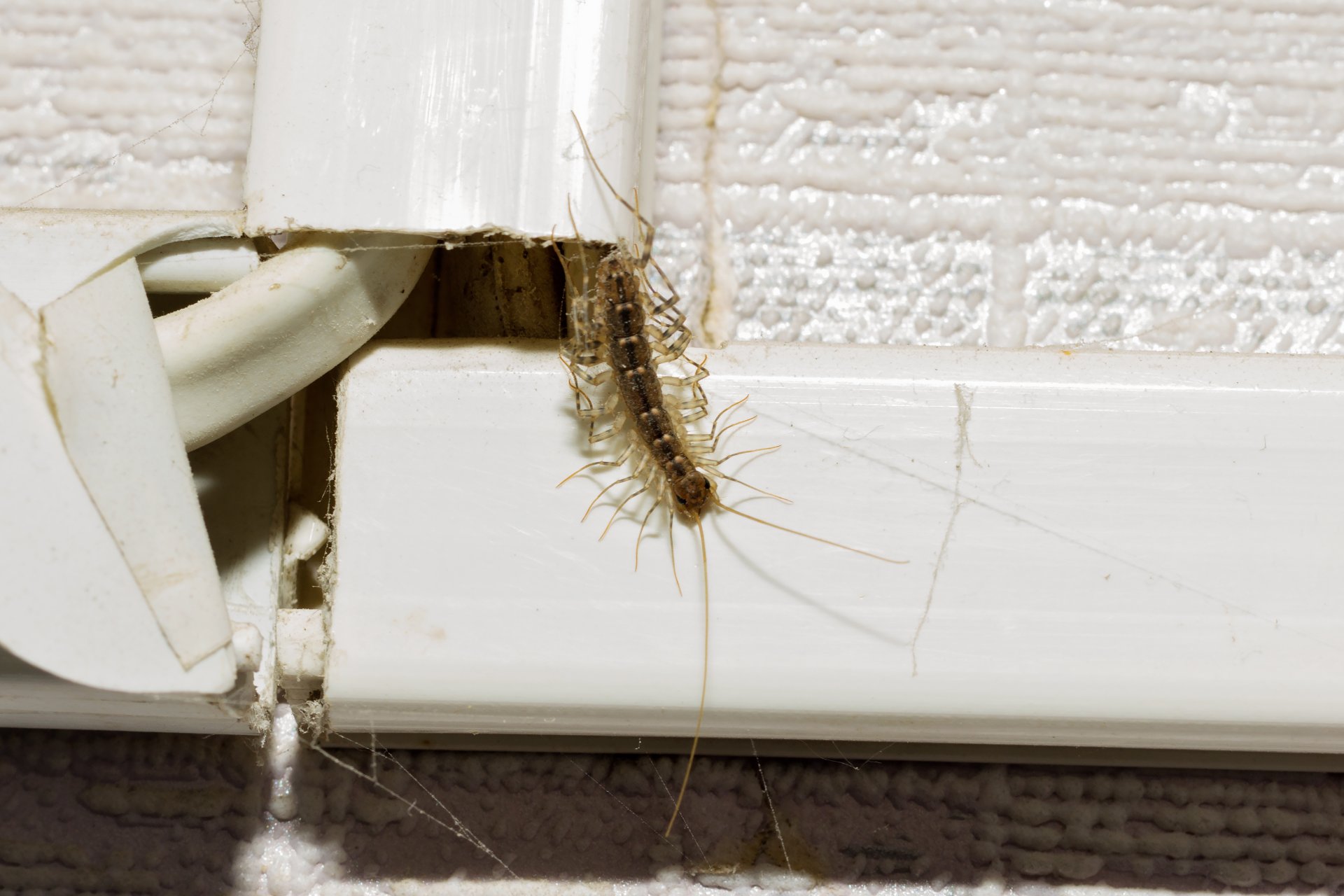
Centipedes & Millipedes
Centipedes and millipedes are frequent occasional invaders in Central Florida homes. House centipedes (Scutigera coleoptrata) and Florida blue centipedes (Hemiscolopendra marginata) are the species most commonly encountered indoors — both are predators that consume insects, spiders, and other arthropods. Millipedes — primarily the rusty millipede (Trigoniulus corallinus) and flat-backed millipede species (Polydesmida) — are detritivores that feed on decaying organic material and are not predatory. Both groups become indoor pests when outdoor conditions such as flooding, drought, or habitat disturbance drive them toward structures. Central Florida's heavy rainfall, abundant leaf litter, and moist soil conditions support high populations of both groups in garden and landscape environments. Mass millipede migration events — often occurring after heavy rain saturates soil — can deliver hundreds of individuals to a structure's foundation within a short period.
Learn More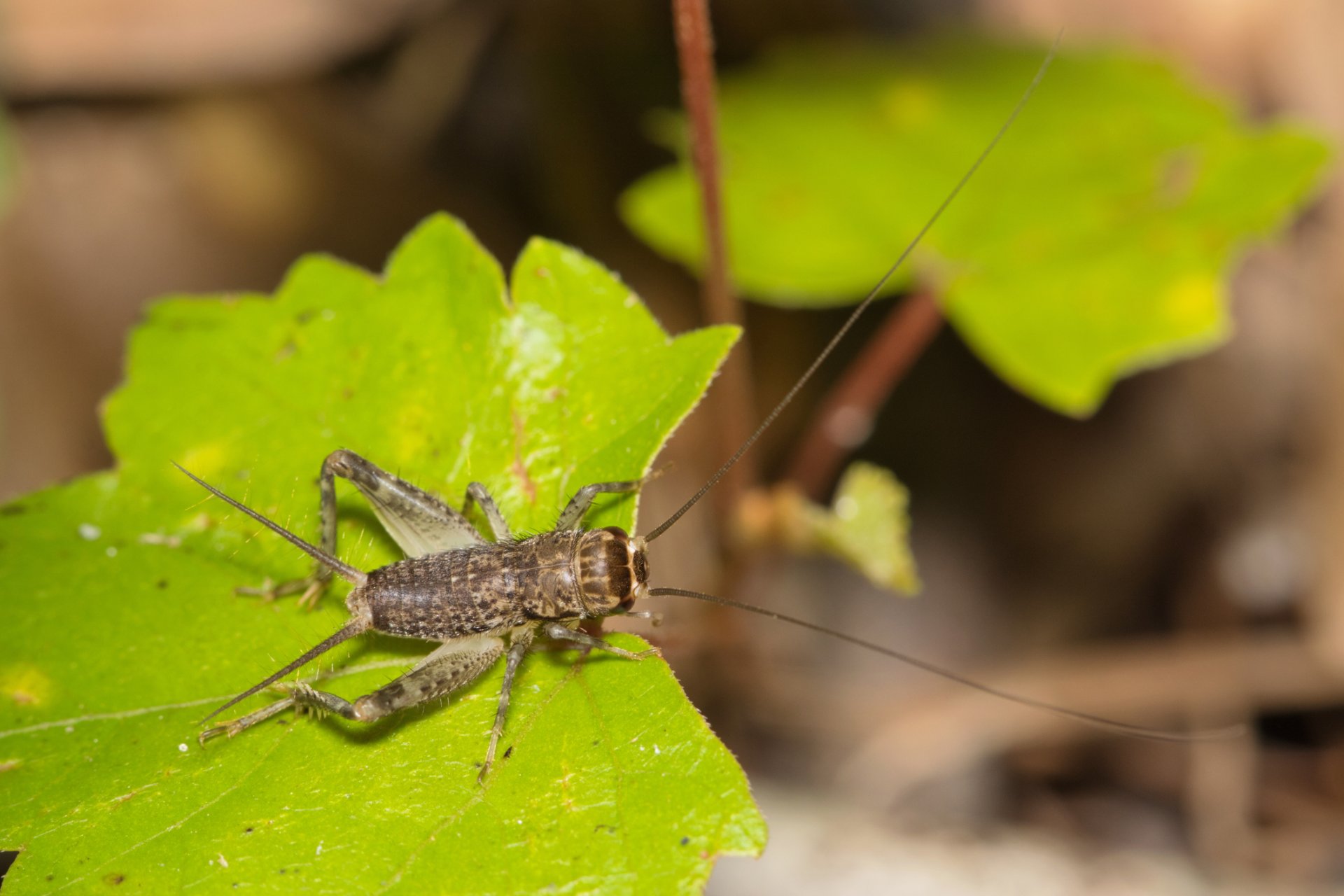
Crickets
Crickets are familiar insects across Central Florida, and while they are benign outdoors, they become a meaningful pest when they invade structures or accumulate in large numbers around entry points. The house cricket (Acheta domesticus) and the Florida field cricket (Gryllus assimilis) are the most common species affecting homes and businesses. In addition to the noise nuisance — male crickets chirp continuously to attract mates and do not cease once inside — crickets can cause fabric and paper damage in large numbers and attract secondary predators such as spiders and centipedes into the home. Cricket populations in Central Florida peak in summer and early fall. Large numbers are commonly drawn to commercial and residential structures at night by outdoor lighting. Once a few crickets enter, the chirping of males can attract additional crickets from outside, and populations in crawl spaces, garages, and basements can build quickly.
Learn More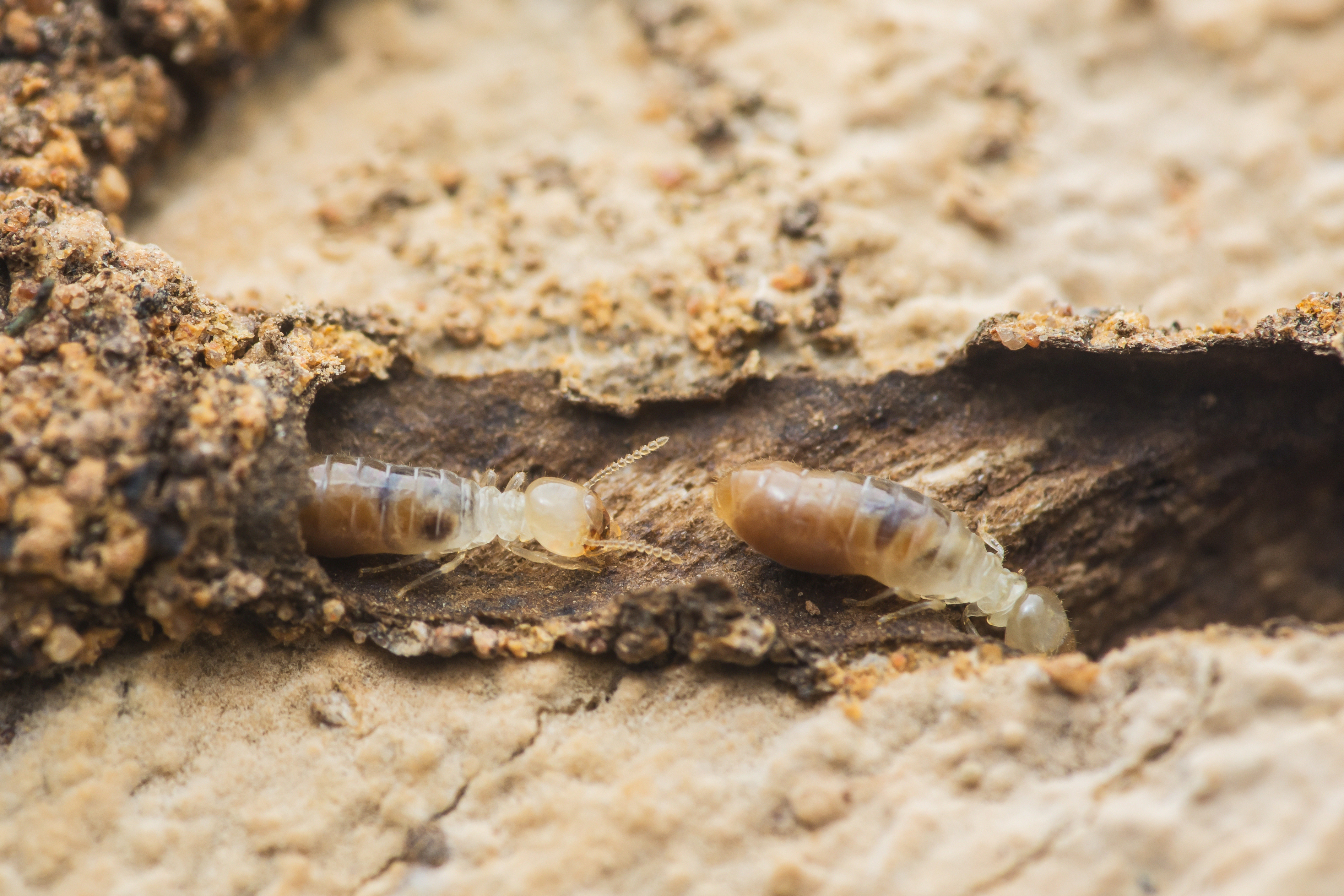
Drywood Termite
Drywood termites are the second major termite group threatening Florida properties — and in many ways they are harder to detect and more surprising to encounter than subterranean termites. Unlike subterranean termites, which live underground and require soil contact and moisture, drywood termites live entirely inside the wood they infest. They require no soil contact, no external moisture source, and leave few of the visible indicators that make subterranean termites identifiable. A drywood termite colony can exist inside a piece of furniture, a structural door frame, a window header, a roof rafter, or an attic beam — any dry, sound wood is a potential habitat. Florida's extensive use of wood framing in attic structures, combined with the abundance of wooden furniture and architectural woodwork, gives drywood termites many points of entry and many locations to feed undisturbed for years. Two species are most significant in Florida: Incisitermes minor (the Western Drywood Termite, which has established in South and Central Florida) and Cryptotermes brevis (the West Indian Drywood Termite), a highly invasive species now widespread throughout coastal and central Florida. Cryptotermes brevis is particularly problematic because it infests wood at lower moisture content than most other drywood species — making it capable of establishing in very dry attic framing where other termites would struggle to survive. **How Infestations Begin** Drywood termites establish new colonies through swarming. Reproductive swarmers emerge from an existing colony, fly, mate, and seal themselves into a small crack or joint in wood. The founding pair begins a colony that grows slowly — typical drywood colonies reach only a few hundred to a few thousand individuals after several years. However, a single building can harbor multiple separate drywood termite colonies simultaneously, and the cumulative damage over a decade can be extensive. Infestations frequently enter homes via infested wooden items: used furniture, antiques, framed artwork, wooden shipping crates, and goods purchased at estate sales or secondhand shops. Swarmers drawn to exterior lighting on warm Florida evenings can land on a structure and begin a new colony in exposed wood within hours. **The Detection Challenge** The most distinctive evidence of drywood termite activity is frass — dry, hard, hexagonal fecal pellets that termites push out of galleries through small "kick holes." These pellets accumulate in small piles beneath infested wood or on windowsills and are easily mistaken for sawdust, fine sand, or construction grit. The absence of visible frass does not confirm absence of termites — kick holes may be positioned where frass falls in inconspicuous locations.
Learn More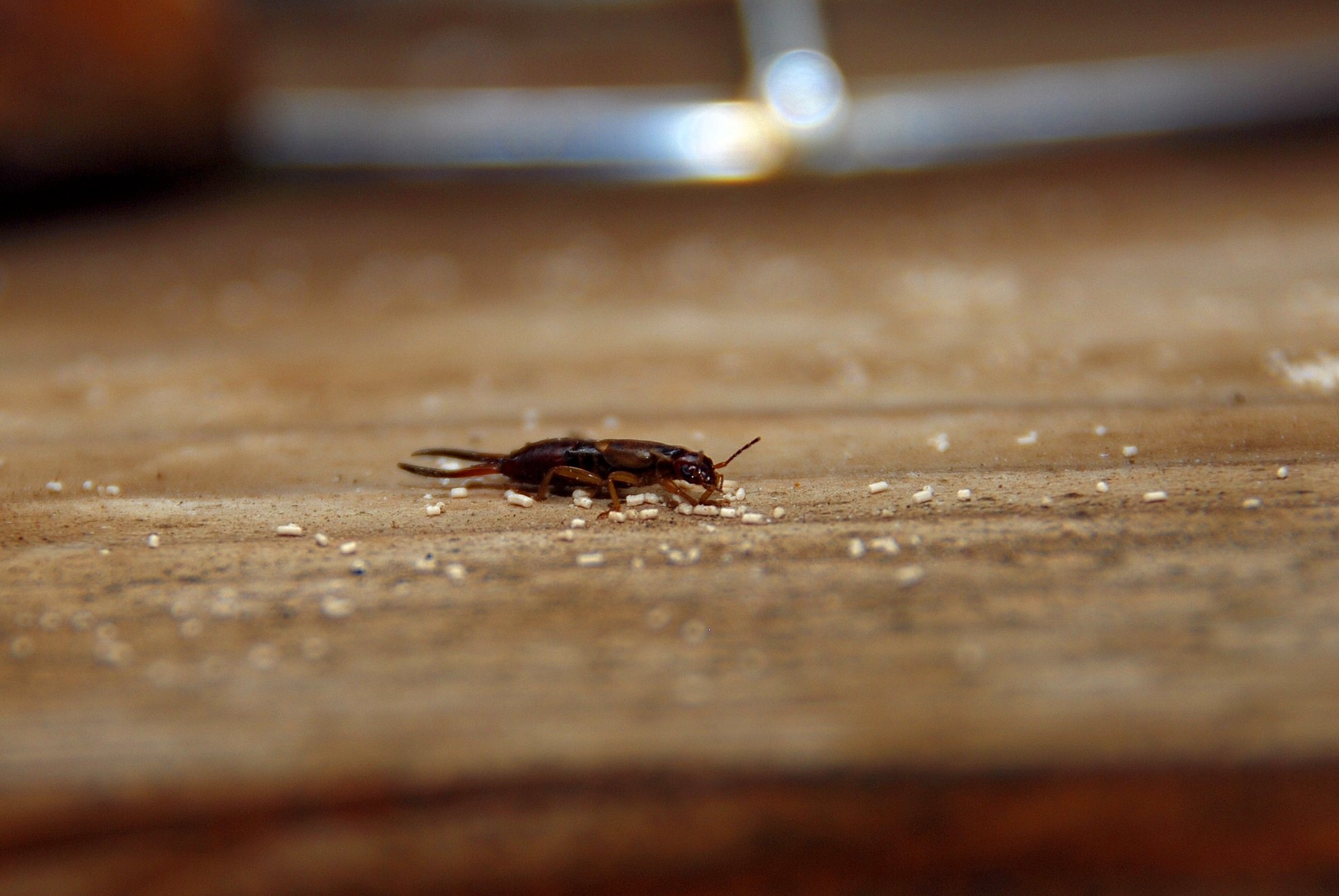
Earwigs
Earwigs are one of Florida's most misunderstood occasional-invader pests. Despite their alarming appearance — the prominent rear pincers give earwigs a fearsome look disproportionate to their actual threat — they pose no meaningful threat to humans. The European earwig (Forficula auricularia) and the ring-legged earwig (Euborellia annulipes) are the most common species encountered in Central Florida. They are outdoor insects that become indoor pests when conditions outside become inhospitable — heavy rain, drought, or very hot dry spells drive earwigs to seek shelter along the foundation and inside structures through gaps under doors and around plumbing. Earwigs are primarily nocturnal omnivores. Outdoors they play a mixed role — consuming decaying organic matter and soft-bodied insects while also feeding on seedlings and flower petals. The presence of large numbers of earwigs around a structure almost always indicates moist, decaying organic material nearby: heavily mulched beds, wet leaf litter against the foundation, or moisture-retaining debris along building perimeters.
Learn More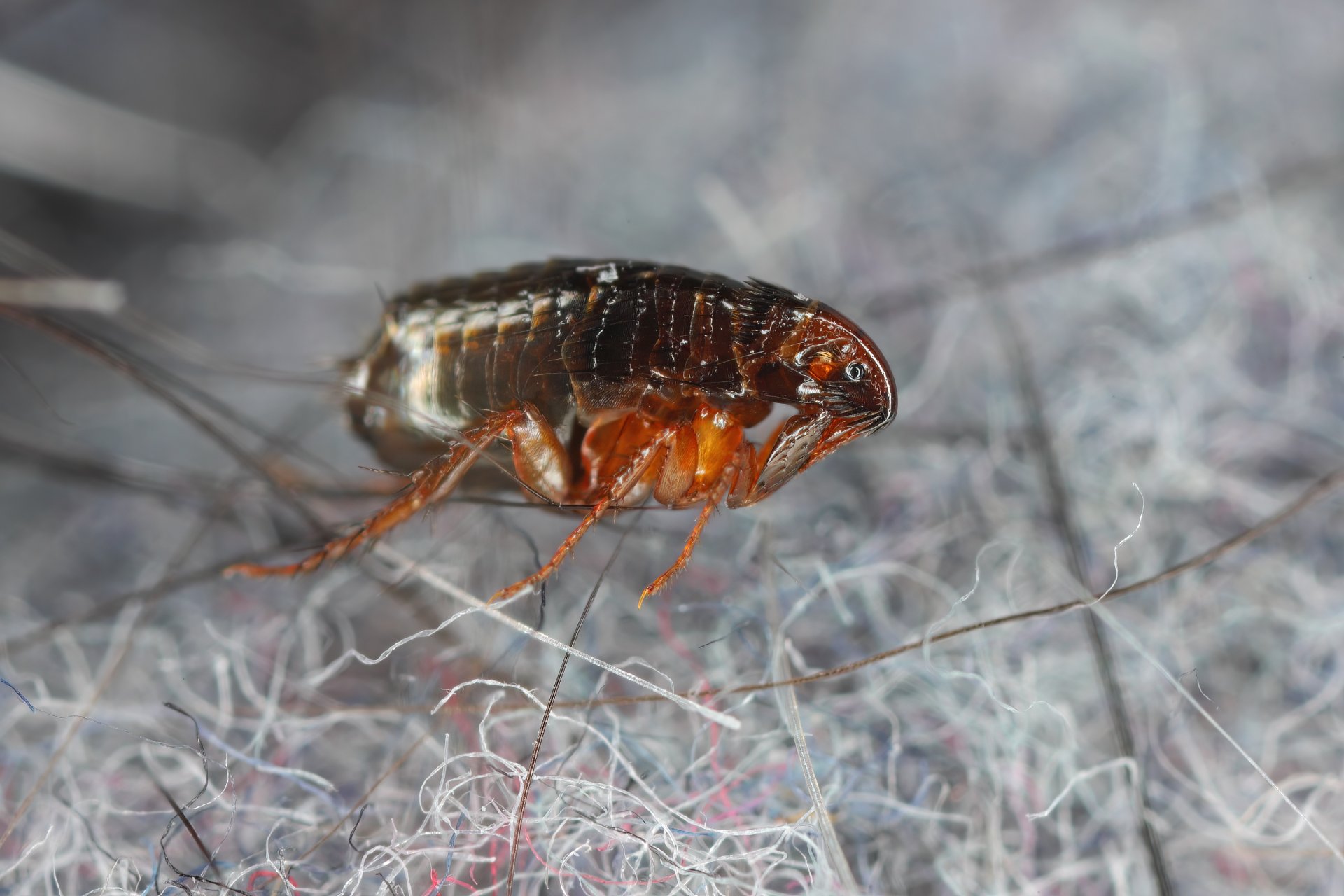
Fleas
The cat flea (Ctenocephalides felis) is by far the most common flea species in Florida, infesting not just domestic cats but also dogs, wildlife, and humans. Central Florida's warm, humid climate is nearly ideal for flea development — the cat flea does not require a cold period to complete its life cycle and breeds year-round under Florida conditions, making infestations more persistent and harder to resolve than in colder states. Flea pressure in Central Florida is elevated even in homes without pets, because wildlife hosts — opossums, raccoons, stray cats, and squirrels — continually re-introduce fleas to yard environments. Understanding the flea life cycle is critical to effective control. Adult fleas represent only about 5% of the total flea population in an infested environment. The remaining 95% consists of eggs, larvae, and pupae in the environment — in carpet fibers, pet bedding, beneath furniture, and in yard soil. This means treating only the animal host while ignoring the environment produces temporary results at best; the next generation of adults emerges from pupae in the carpet within days.
Learn More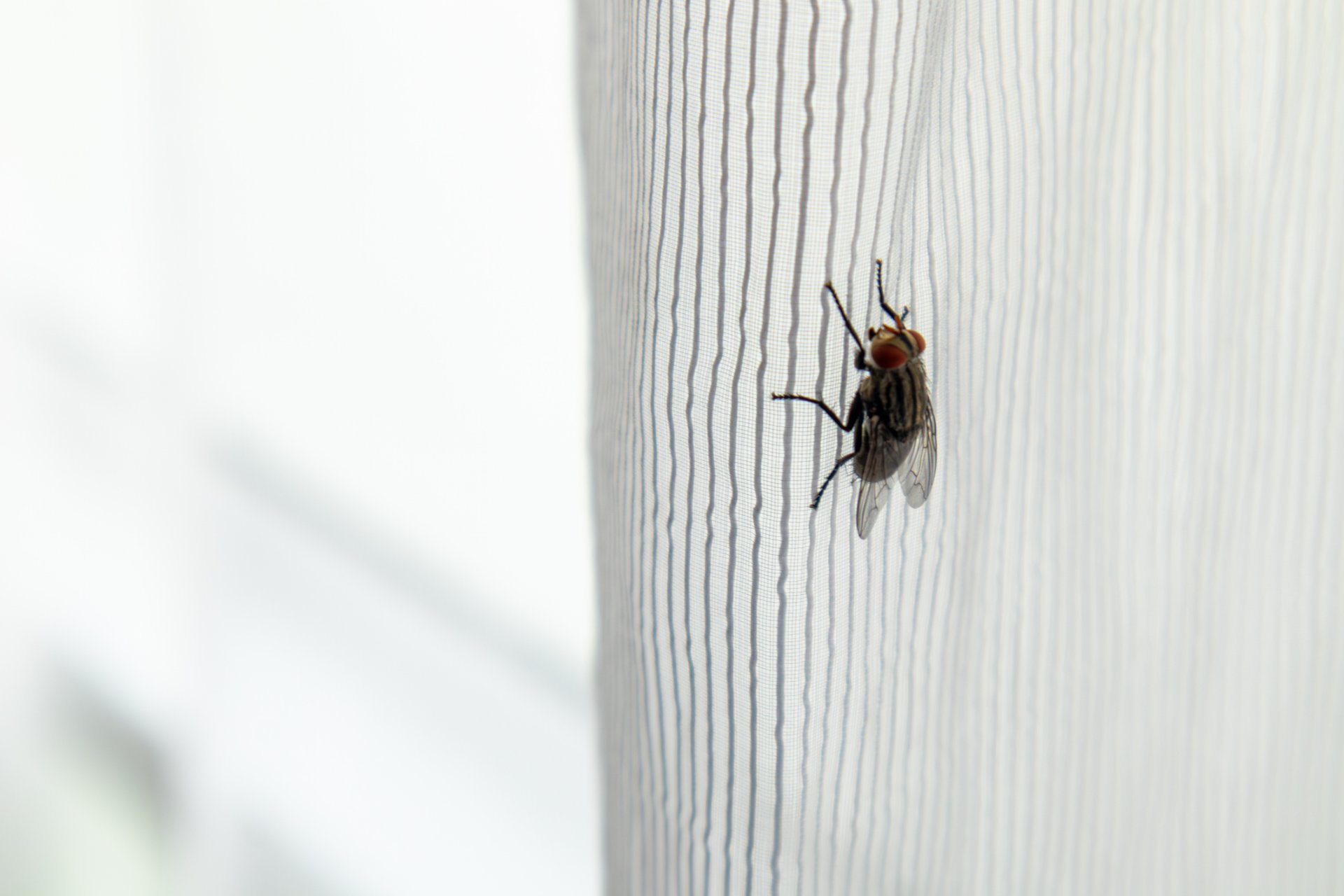
Flies
Several fly species are common structural and nuisance pests in Central Florida. House flies (Musca domestica) are mechanical vectors for dozens of pathogens that breed in decaying organic material, manure, and garbage. Fruit flies (Drosophila melanogaster and related species) are a nearly universal kitchen nuisance in Florida, breeding in overripe fruit, fermenting liquids, and the drain biofilm of kitchen and bar drains. Drain flies (Psychoda species) are small, moth-like flies that breed exclusively within the organic slime layer of clogged or slow-moving drains. Blow flies (Calliphoridae) are large, metallic-colored flies associated with animal remains and are occasionally indicators of a deceased animal in a wall cavity. In Central Florida, fly pressure is elevated year-round and peaks during the warm, wet season. Open garbage containers, outdoor dining areas, deteriorated door seals, and accumulated organic debris are the primary conditions supporting large fly populations near structures.
Learn More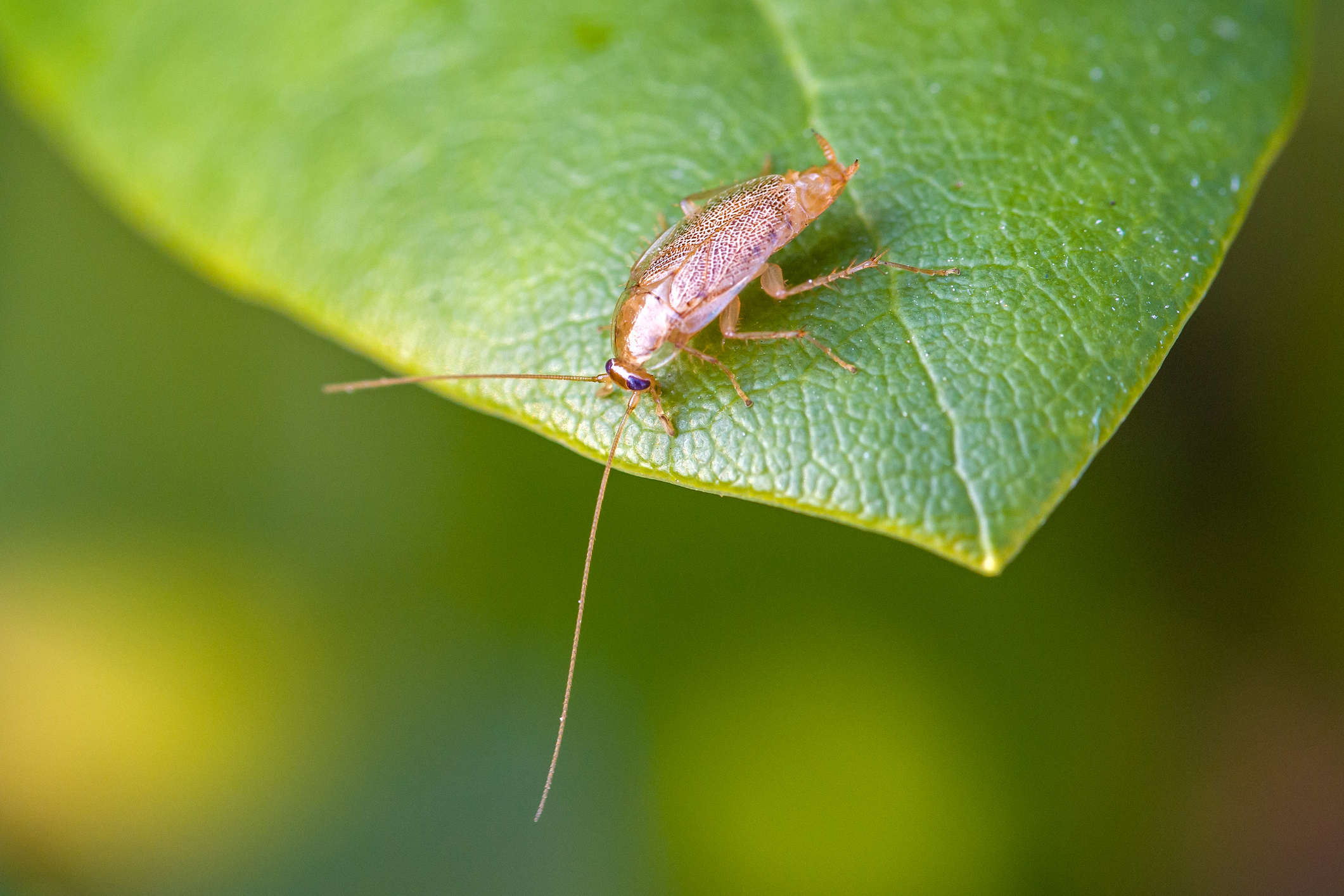
German Cockroach
The German cockroach is widely considered the most difficult cockroach species to control in the world — and in Florida homes, apartments, and restaurants, it is the most common cockroach causing serious infestations. Unlike the American cockroach, which primarily lives outdoors and migrates in, the German cockroach is an exclusively indoor species. It almost never survives outside in Florida's environment. Nearly every German cockroach found inside a structure arrived through human activity: in grocery bags, cardboard boxes, secondhand appliances, food deliveries, or luggage. This distinction fundamentally changes the nature of the problem. German cockroach infestations are not driven by a large outdoor population — they are self-sustaining indoor populations that grow from an initial introduction. And they grow extremely fast. A single mated female produces an egg case containing 30 to 40 eggs every 3 to 4 weeks, carrying it on her body until just before hatching. Under typical kitchen conditions, a population can complete three to four reproductive cycles per year. A single hitchhiking female introduced on a used appliance can seed an infestation of hundreds within a few months. **Health Concerns** German cockroaches contaminate food and kitchen surfaces with bacteria including Salmonella, Listeria, and E. coli. Their fecal droppings, shed exoskeletons, and egg case remnants contain potent allergen proteins. Research has established that German cockroach allergen exposure in early childhood significantly increases the risk of developing asthma, and that children with asthma living in infested homes experience more frequent and severe attacks than those in clean homes. In commercial food service, large German cockroach infestations produce a musty, oily odor from aggregation pheromones the insects excrete. Health inspectors treat this odor as presumptive evidence of infestation and it is grounds for closure violations. **Why They Spread So Quickly and Resist Treatment** German cockroaches have developed resistance to many commonly used insecticides. Populations repeatedly exposed to the same active ingredient develop metabolic pathways that neutralize it. Consumer spray products — most of which use repellent pyrethroids — tend to make German cockroach infestations worse. They drive cockroaches deeper into wall voids and spread them throughout the structure rather than eliminating the colony. In multi-unit housing, which makes up a large portion of Central Florida's residential stock, cockroaches move between units through shared plumbing and electrical conduits, making individual unit treatment ineffective without building-wide coordination.
Learn More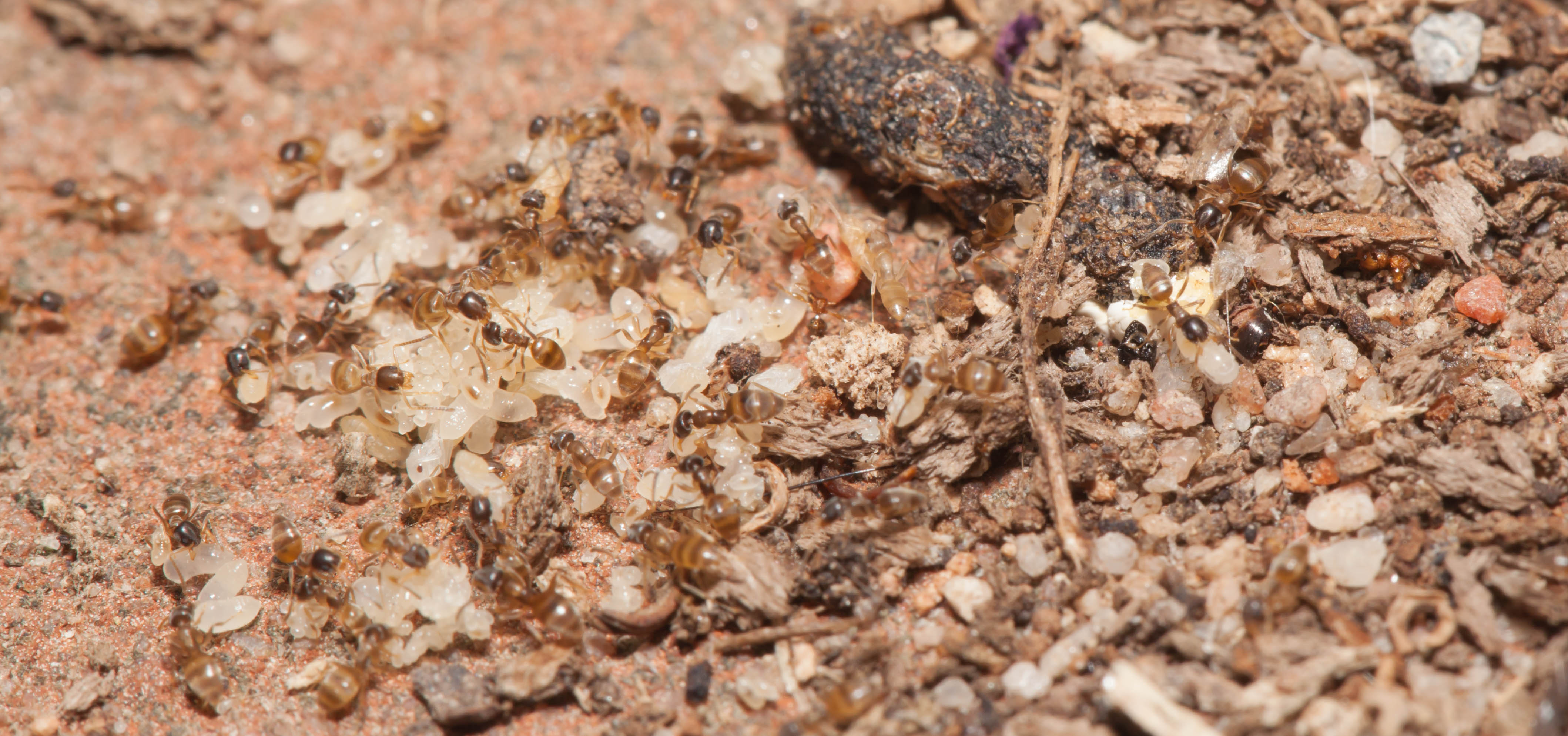
Ghost Ant
Ghost ants are one of the most common and consistently frustrating household pest ants in Florida — and one of the species most likely to defeat well-intentioned DIY treatment attempts. Their common name comes from their remarkable translucence: the pale, nearly transparent abdomen and legs make them nearly invisible on white countertops, light-colored walls, and kitchen tile, appearing to materialize from nowhere. Many Florida homeowners spend weeks chasing ants they can barely see before identifying what they are dealing with. Ghost ants are a tropical species native to Africa or Asia, introduced to Florida through the ornamental plant trade. They are now established throughout the state and are particularly abundant in Central Florida, where the warm, humid climate allows them to remain active and reproductive year-round. They are consistently among the top household pest ant complaints received by Florida pest control professionals. **What Makes Ghost Ants So Persistent** Ghost ant colonies are fundamentally different in structure from many other ant species — and this difference is why they are so difficult to control with standard methods. Ghost ant colonies are polydomous, meaning they maintain multiple sub-nests distributed across a landscape or through a structure, all connected by foraging trails and linked by workers who move freely between them. A "colony" of ghost ants in your home is not a single nest that can be found and removed — it is a networked population potentially spanning your kitchen wall void, the soil under a flower pot on the porch, the root zone of a shrub along the foundation, and the gap behind the baseboard in your bathroom. Ghost ant colonies are also polygyne — containing many reproductive queens rather than just one. This means the colony can rapidly replace eliminated queens and can fragment into new sub-colonies when stressed. Applying a repellent insecticide spray to a foraging trail — which is what most consumer ant products do — causes the colony to fragment and spread to new locations in the structure. This is why it is so common for homeowners to report that after spraying, the ghost ant problem "got worse" or "moved somewhere else." **Florida's Ghost Ant Challenge** Florida's climate creates exceptional ghost ant pressure in residential settings. The warm, year-round temperatures allow uninterrupted colony growth. The abundance of indoor tropical plants, kitchen moisture sources, and outdoor landscaping provides both nesting habitat and sustained food sources. Ghost ants exploit the microscopic gaps common in Florida construction: the space between baseboard and flooring, the unsealed penetration where the kitchen drain pipe passes through the cabinet floor, the gap in a sliding door track. Their tiny size makes them capable of using entry points invisible to the naked eye.
Learn More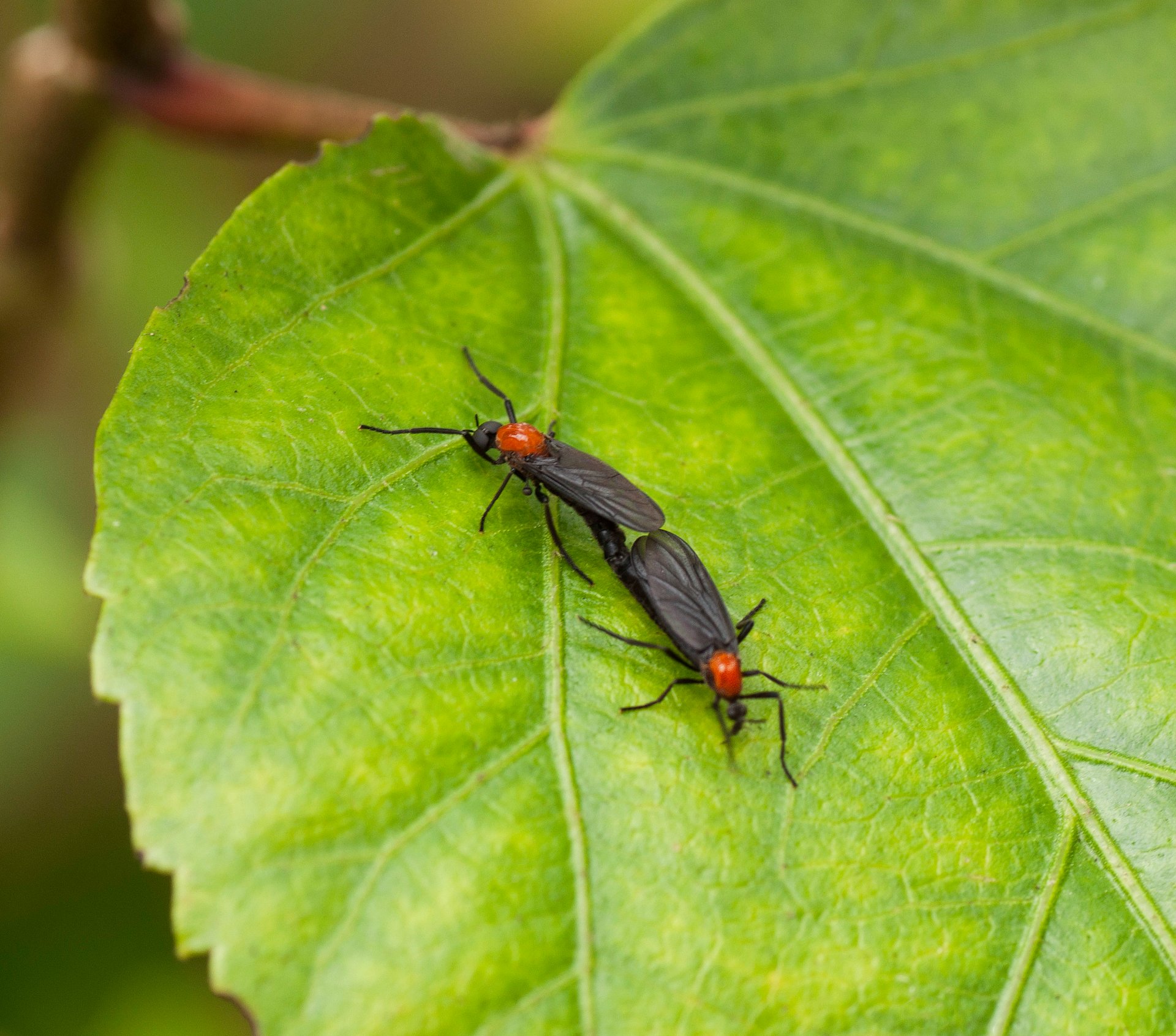
Love Bugs
Love bugs (Plecia nearctica) are a uniquely Florida phenomenon — a seasonal nuisance pest with no real equivalent in other states, instantly recognizable by their mating flight behavior and their destructive effect on vehicle paint and radiators. Despite their association with Florida popular culture, love bugs are actually an introduced species native to Central America, first recorded in Florida in the 1940s and now established statewide. Central Florida experiences two major emergence events annually: one in late April through May, and another in August through September, each lasting approximately 4–5 weeks. Love bugs do not bite, sting, or transmit disease and do not infest structures. Their pest status is specific to their flying adult stage and the acidic body chemistry that damages vehicle paint and can clog radiators. The name reflects their flight behavior — adult love bugs fly and rest locked together in copula for up to 12 hours.
Learn More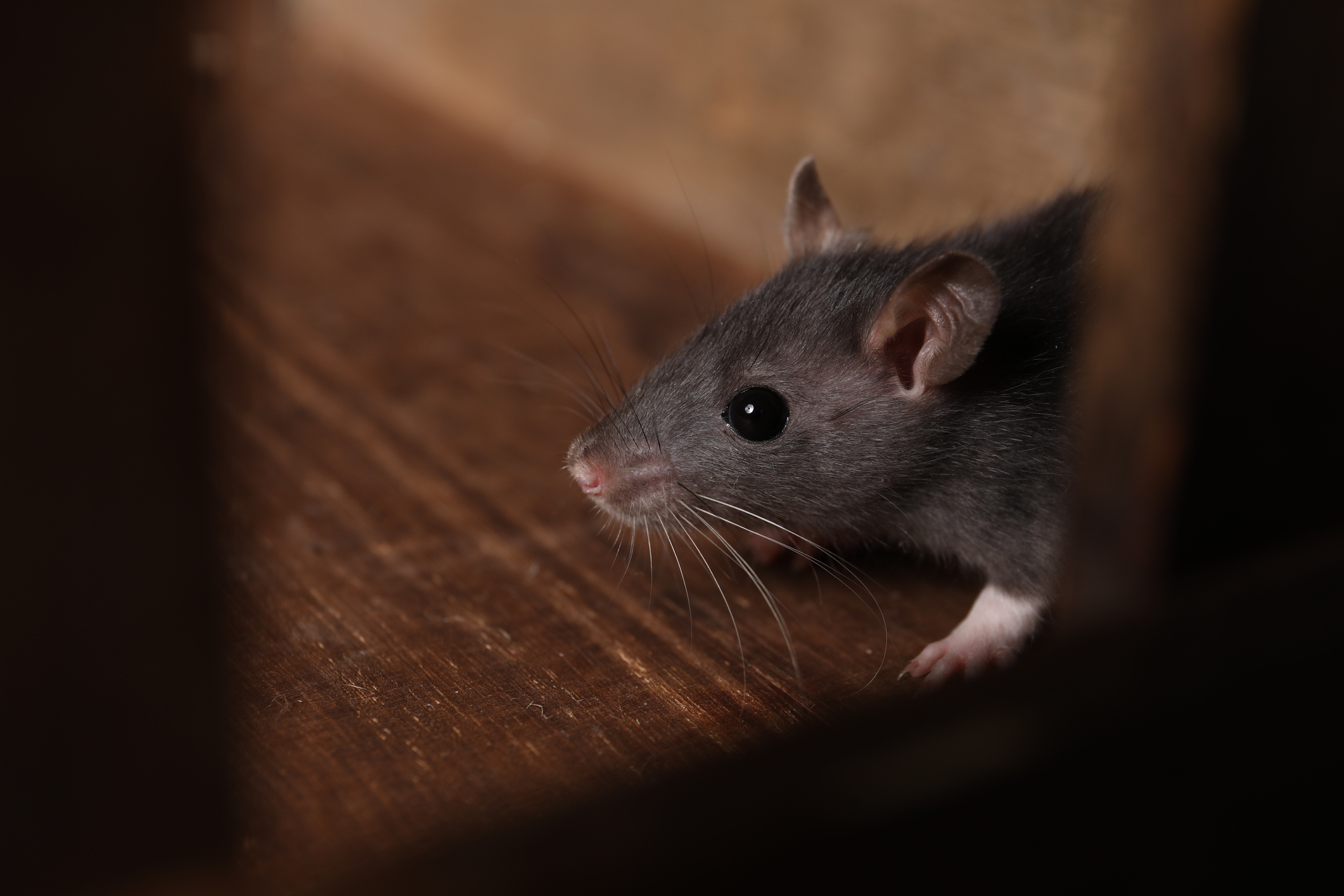
Mice
The house mouse (Mus musculus) is the most widely distributed commensal rodent in the world and a common structural pest in Central Florida homes, businesses, and storage facilities. Mice exploit far smaller entry points than rats — any gap wider than 1/4 inch — and can establish hidden populations inside walls, attics, and sub-floor voids without being noticed for months. They reproduce at an exceptional rate: a single pair can produce 5–10 litters of 5–6 pups annually under favorable conditions, meaning a small initial introduction can become a substantial infestation within weeks. In Central Florida, house mice compete with roof rats and in some cases cohabit the same structure, occupying different voids and food sources. Mice tend to nest closer to food sources and in lower, tighter voids, while roof rats favor attics and elevated harborage. Both species gnaw continuously to wear down their ever-growing incisors, making them a consistent source of wiring, insulation, and material damage.
Learn More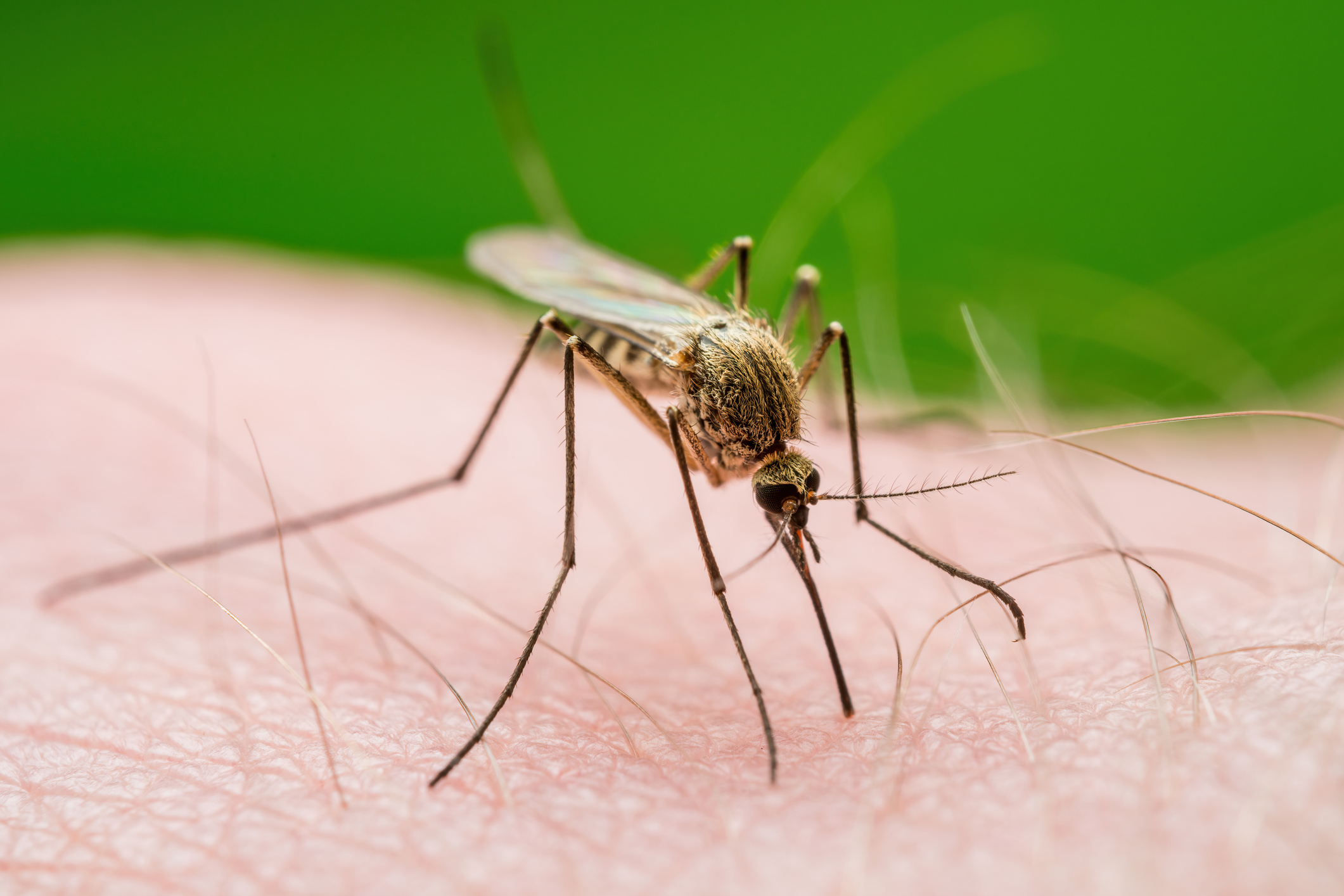
Mosquito
Florida is home to more than 80 mosquito species, but two — Aedes aegypti (the yellow fever mosquito) and Aedes albopictus (the Asian tiger mosquito) — are responsible for the majority of residential mosquito complaints in Central Florida and represent the most significant public health concerns. These species are daytime biters, breed in very small amounts of standing water, and are capable of transmitting serious diseases. They behave quite differently from the nuisance mosquitoes most people picture when thinking about mosquitoes. Mosquito pressure in Central Florida is effectively year-round. The warm climate and average annual rainfall exceeding 50 inches provide continuous breeding conditions for populations that would be dramatically reduced by winter in colder states. The wet season — approximately June through September — produces peak mosquito populations, but active mosquitoes breed and bite in all months, including during warm spells in January and February. **Why Florida Mosquitoes Are Different** Most people associate mosquitoes with dusk and dawn — large, slow-moving species emerging from ponds and wetlands in the evening. Aedes aegypti and Aedes albopictus operate completely differently. Both are aggressive daytime biters with peak activity in early morning and late afternoon. They are domestic mosquitoes — specifically adapted to human residential environments rather than natural wetlands. They breed in tiny containers: flower pot saucers, clogged gutters, tarps with low spots, birdbaths, children's outdoor toys, bottle caps, and any object that retains even a few tablespoons of water for more than a week. This domestic breeding habit means that mosquito populations on your property are generated almost entirely by conditions on and around your property — not by distant swamps or retention ponds. A single neglected flower pot saucer can produce dozens of adult mosquitoes per week. **Disease Concerns in Florida** Aedes aegypti is a primary vector for dengue fever, Zika virus, chikungunya, and yellow fever. Aedes albopictus transmits dengue, Zika, chikungunya, and Eastern Equine Encephalitis. Florida has experienced documented local transmission of dengue, Zika, and chikungunya — these are not theoretical risks. The Florida Department of Health regularly issues mosquito-borne disease advisories for Central Florida counties, and dengue in particular has seen sustained local transmission in parts of South and Central Florida in recent years. Beyond disease transmission, mosquito bites cause significant discomfort, allergic welting in sensitive individuals, and secondary skin infections from scratching. For families, gardeners, and outdoor workers, heavy mosquito pressure can make outdoor spaces functionally unusable during peak activity hours.
Learn More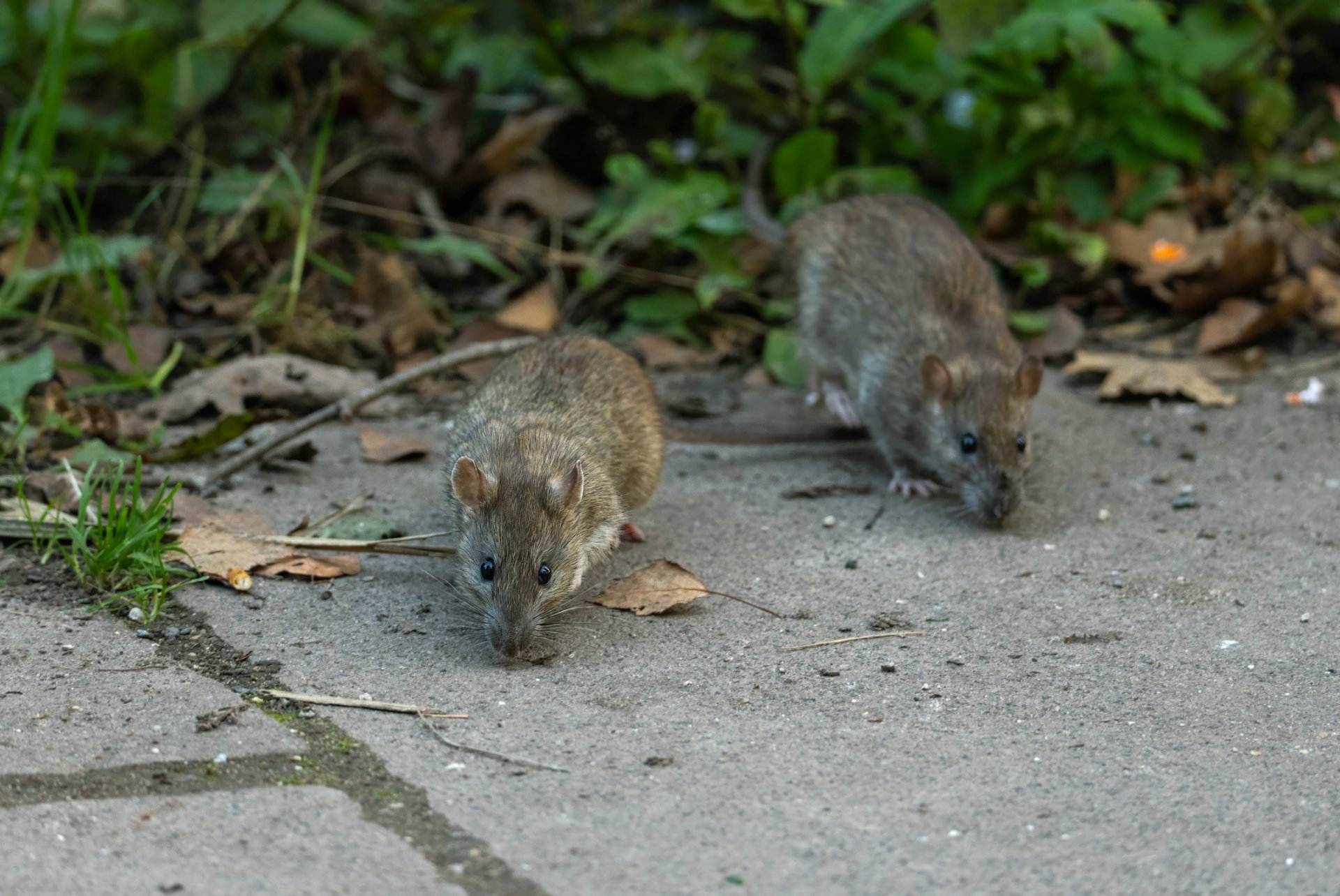
Norway Rats
The Norway rat (Rattus norvegicus), also called the brown rat or sewer rat, is the larger of the two rat species commonly found in Florida and the dominant commensal rodent across North America. In Central Florida, Norway rats are less common than roof rats but are present in urban, commercial, and agricultural settings — particularly near waterways, storm drains, refuse areas, and food storage facilities. They thrive in ground-level environments that roof rats avoid, making them the species most associated with sewer systems, crawl spaces, ground-level storage areas, and commercial food service operations. Norway rats are powerful burrowers. Colonies establish underground burrow systems beneath slabs, along fence lines, under sheds, and in dense ground cover. Burrow entrances are typically 2–3 inches in diameter, smooth-edged from repeated use, and often surrounded by loosely scattered soil. Their ground-level habits bring them into contact with crawl spaces and ground-floor interiors more often than roof rats, which prefer elevated harborage.
Learn More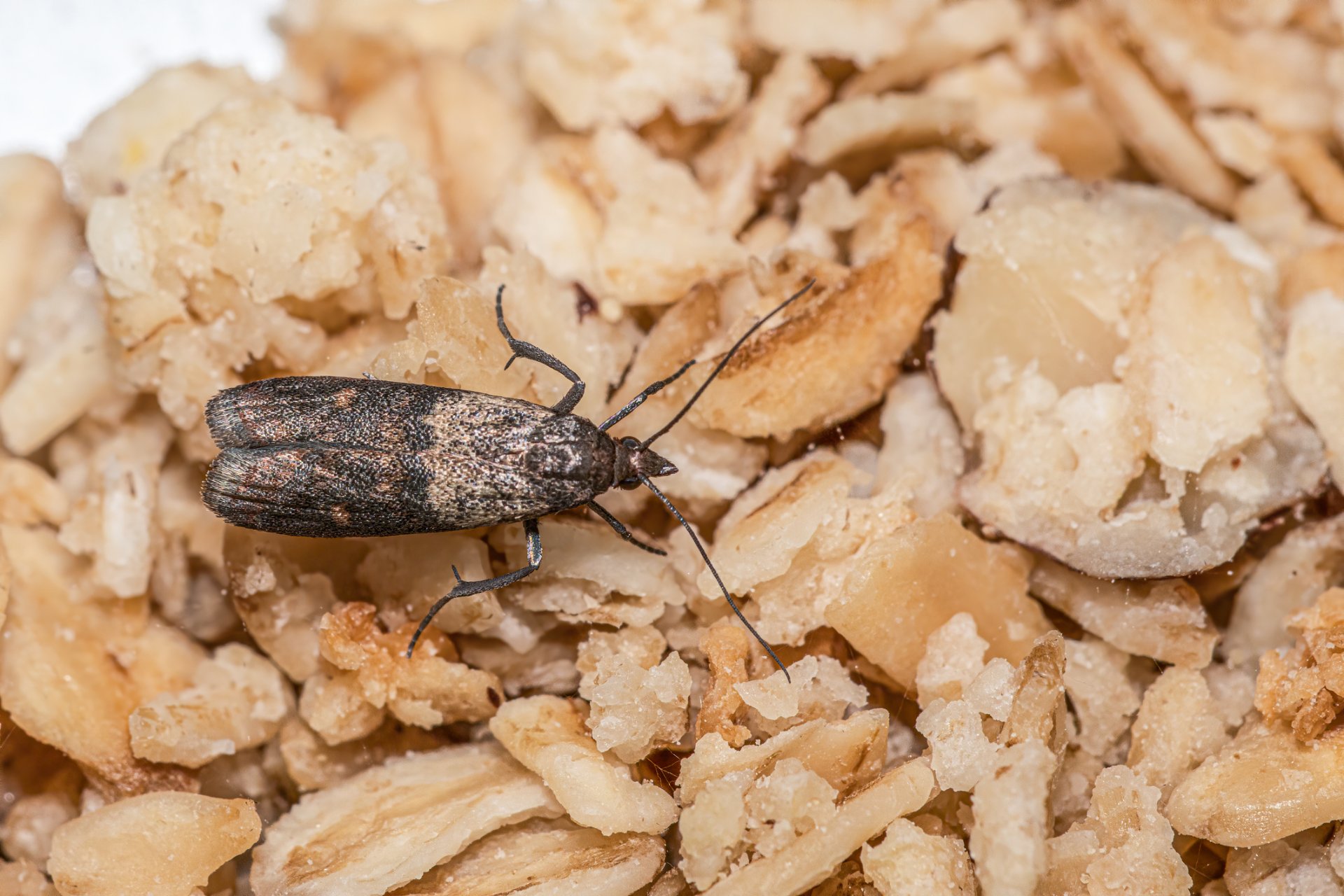
Pantry Pests & Moths
Pantry pests — the collective term for beetles and moths that infest stored dry food products — are among the most frustrating household pest problems because infestations are usually introduced in purchased food products before any pest management error occurs. The Indian meal moth (Plodia interpunctella) is the most common and widely recognized stored product pest in Florida homes. Common pantry beetles include the rice weevil (Sitophilus oryzae), sawtoothed grain beetle (Oryzaephilus surinamensis), and red flour beetle (Tribolium castaneum). All develop from egg through larva to adult inside food commodities — grains, cereal products, dried pasta, flour, rice, nuts, dried fruit, spices, bird seed, and pet food. In Florida's warm climate, development rates are faster than in colder states — what might take 6–8 weeks in a northern pantry may cycle in 3–4 weeks in a Central Florida summer — meaning infestations grow rapidly once introduced. Pantry pests spread from initially infested products to unaffected ones throughout the pantry, requiring thorough inspection rather than simply discarding the first infested item found.
Learn More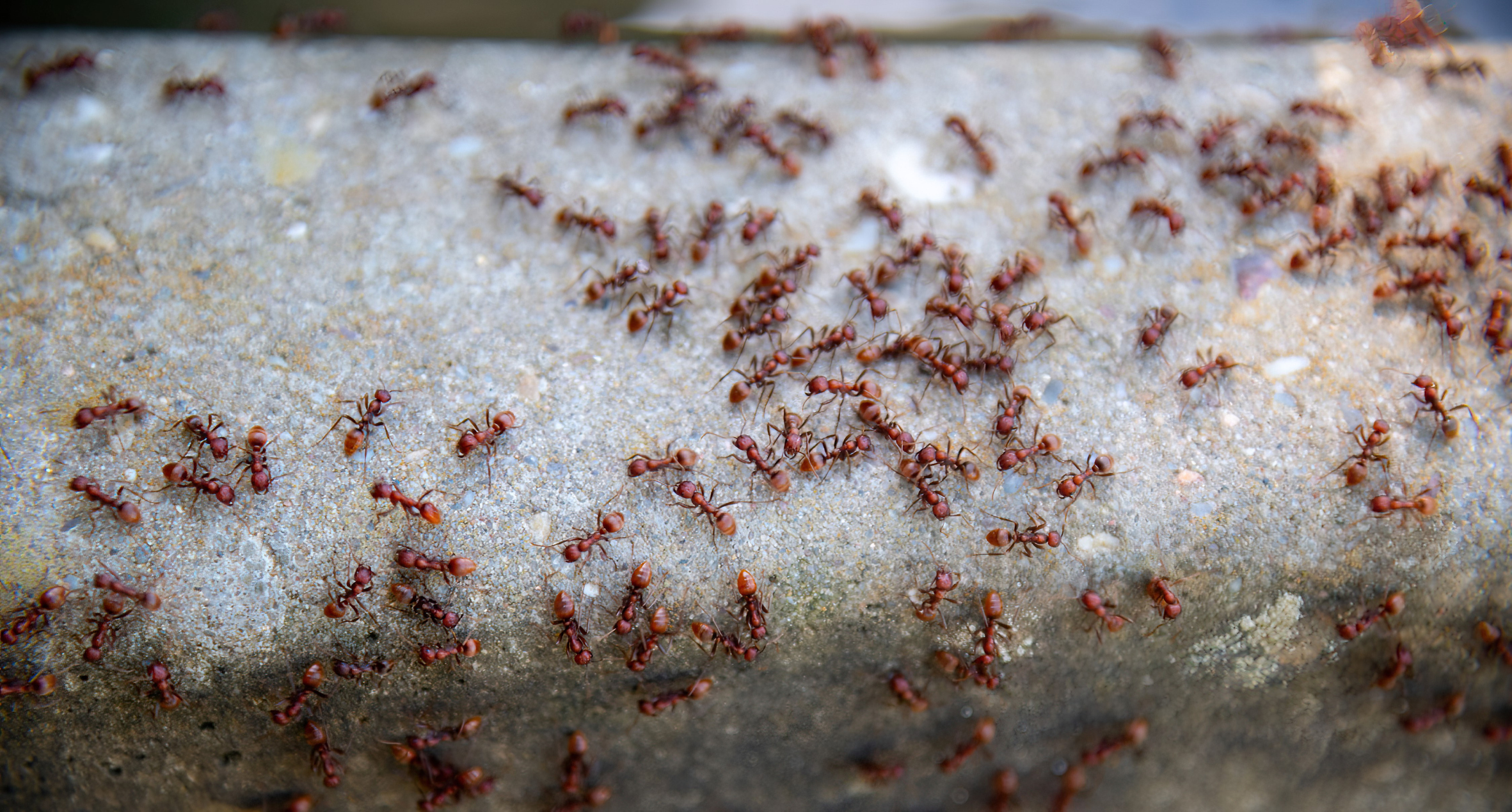
Red Imported Fire Ant
The Red Imported Fire Ant is one of the most consequential invasive pest species in the United States — and Florida is one of its primary strongholds. Introduced in the 1930s through soil in ship ballast at Mobile, Alabama, Solenopsis invicta has since spread across the entire Southeast, Puerto Rico, and other warm-climate regions. Today it is established in all 67 Florida counties, with some of the highest colony densities in the nation found in Central Florida's residential areas, parks, recreational fields, and golf courses. Fire ants present a combination of public health risks, property concerns, and ecological impacts that make them among the most consequential pest species in the state. Their aggressive defense behavior — swarming from disturbed mounds and delivering repeated stings within seconds — makes them a genuine hazard for anyone who uses outdoor spaces in Florida. **The Health Risk** Fire ant stings deliver venom containing alkaloids called solenopsins, producing an immediate burning sensation followed by a distinctive white pustule at the sting site within 24 hours. Most people experience localized reactions — pain, itching, and pustule formation — that resolve within a week without medical intervention. However, approximately 1 to 2 percent of people who are stung develop systemic allergic reactions that can progress to anaphylaxis, which is life-threatening and requires immediate emergency medical treatment. In the United States, fire ants are associated with an estimated 5 million stings per year requiring medical attention. People with mobility limitations — the elderly, infants, and outdoor workers — are at elevated risk of receiving mass stings before they can move away from a disturbed mound. Small pets and young wildlife can receive fatal sting attacks when unable to escape. **Property and Infrastructure Impacts** Fire ants are attracted to electrical equipment and cause significant property damage. They infest junction boxes, air conditioning compressor units, traffic signal controls, utility pedestals, and electrical service panels — nesting inside equipment and causing short circuits and equipment failures. Fire ant damage to electrical infrastructure costs Florida property owners and utilities millions of dollars annually. They also damage irrigation system components, undermine paving stones and concrete, and make lawn mowing hazardous.
Learn More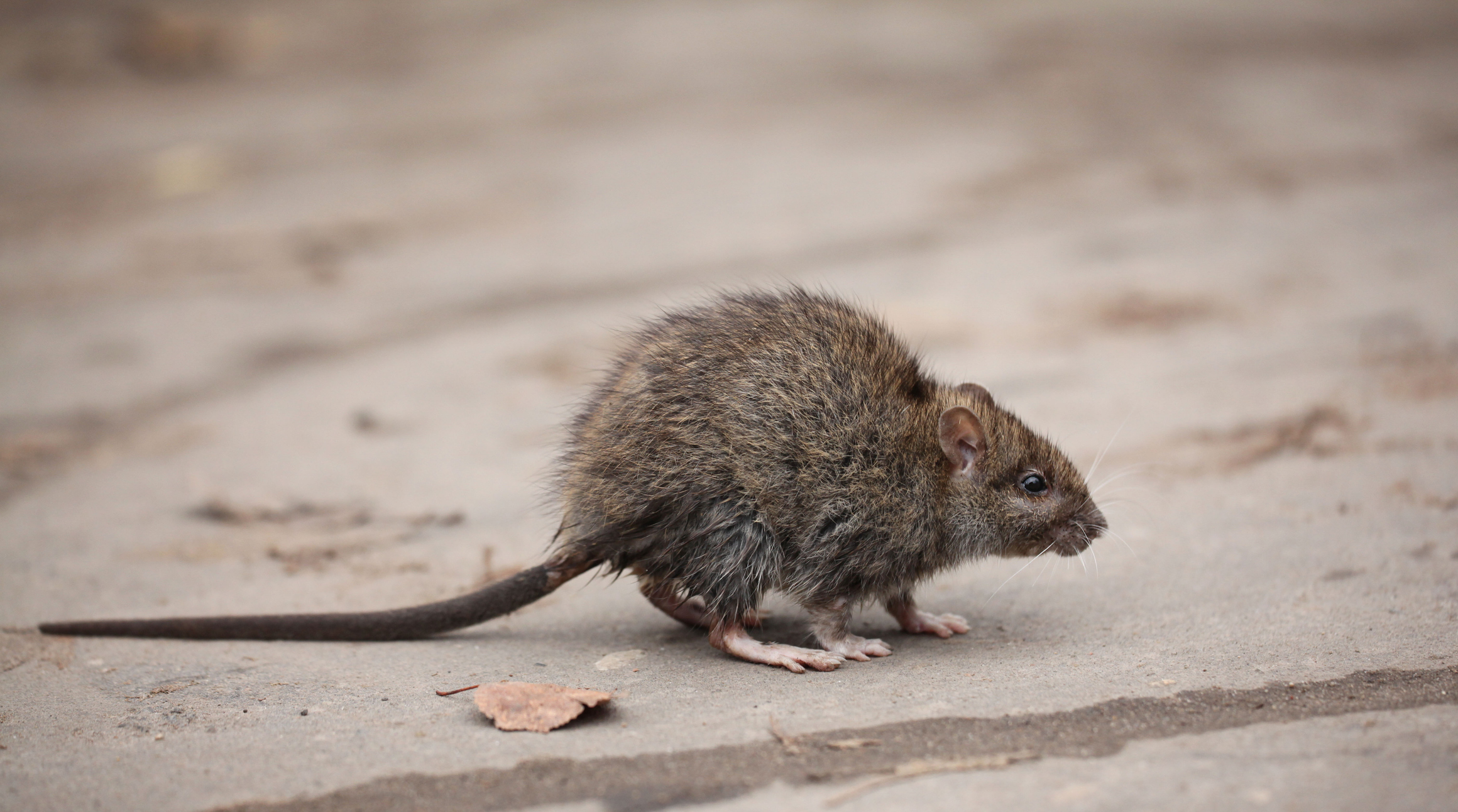
Roof Rat
The roof rat — also called the black rat or ship rat — is the dominant rat species in Florida and one of the most persistent structural pest problems for Central Florida homeowners. While Norway rats (the large burrowing rats more common in northern urban environments) are more widely known in pop culture, roof rats are the species overwhelmingly responsible for the attic infestations, gnawed wiring, and contaminated insulation that Florida homeowners actually encounter. Roof rats have been present in Florida for centuries, arriving with European settlers. They are ideally adapted to the state's environment: agile tree-climbers comfortable in the canopy of Florida's mature oaks and palms, capable of accessing homes through entry points as small as a half-dollar coin. The state's dense landscaping, abundance of fruit trees and palm trees, and mild winters provide year-round food and harborage for large outdoor populations. In neighborhoods with mature tree canopy — which describes most of established Central Florida — roof rat pressure is essentially constant. **Why Roof Rats Are a Serious Problem** Roof rats represent a significant structural and health threat when they establish inside a home. They gnaw continuously — not only because they are foraging, but because their incisors never stop growing and must be worn down through gnawing. They chew through electrical wiring, PVC water lines, ductwork, and insulation. Gnawed electrical wiring inside wall cavities and attic spaces is a well-documented fire hazard. Estimates from the National Fire Protection Association attribute a meaningful percentage of residential structure fires of unclear origin to rodent gnawing. Roof rat nesting in attic insulation also causes serious secondary damage. An established attic infestation soils and compresses insulation with urine and feces, degrading its R-value and creating an allergen load in the home's air circulation. Remediation — full insulation removal and replacement — typically costs several times what effective preventive pest control would have cost. Roof rats carry and transmit multiple diseases, including leptospirosis, rat bite fever, and murine typhus. Florida has seen documented cases of murine typhus in multiple counties — the disease is transmitted via fleas that roof rats host. Their contamination of kitchen surfaces, pantry goods, and food storage areas is a direct food safety risk. **Florida's Year-Round Roof Rat Problem** Florida's climate means roof rat populations do not decline seasonally. The abundance of citrus, avocado, fig, and other fruiting trees provides a reliable year-round food source sustaining large outdoor populations immediately adjacent to residential structures. Fall is peak season for interior infestations as populations seek warmer nesting sites heading into winter, but entry into homes occurs in all months. A breeding pair establishing in an attic in spring can produce a population of 40 or more by fall of the same year.
Learn More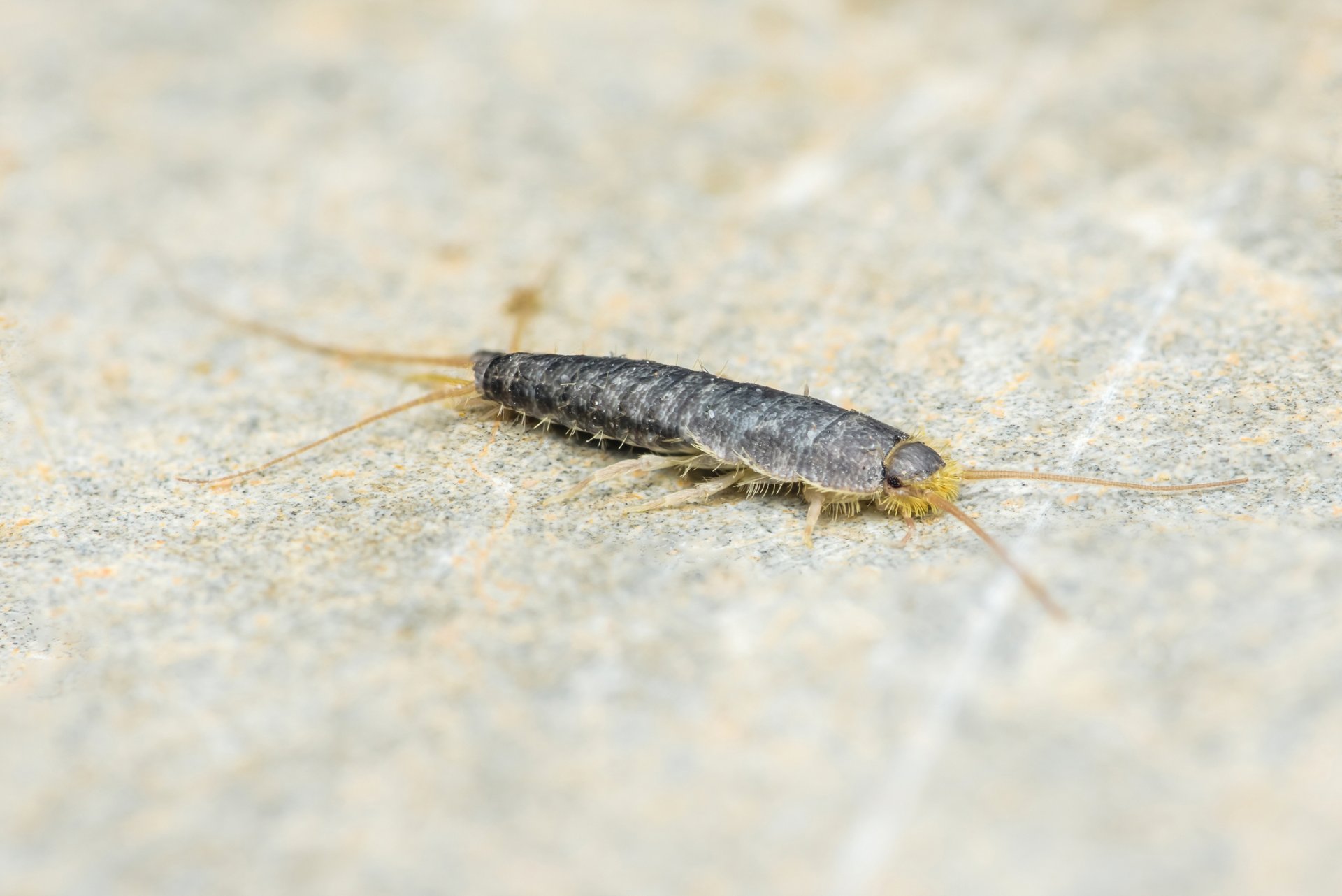
Silverfish
Silverfish (Lepisma saccharina) are among the most ancient of household insect pests — essentially unchanged over hundreds of millions of years. In Central Florida's humid climate, silverfish thrive particularly well in the persistently moist conditions found in bathrooms, kitchens, laundry rooms, and humid storage areas. They are strictly nocturnal and highly secretive, meaning infestations are typically more extensive than the occasional individual spotted at night suggests. They prefer high humidity (70–90% relative humidity) and moderate temperatures — conditions that describe a significant portion of Florida homes, particularly in areas with inadequate ventilation. Silverfish are primarily a property damage pest rather than a health concern. They consume polysaccharides found in paper, book bindings, wallpaper paste, cardboard, natural textile fibers, and the starch in clothing — causing significant damage to books, documents, stored paper records, wallpaper, and clothing when present in storage areas over extended periods.
Learn More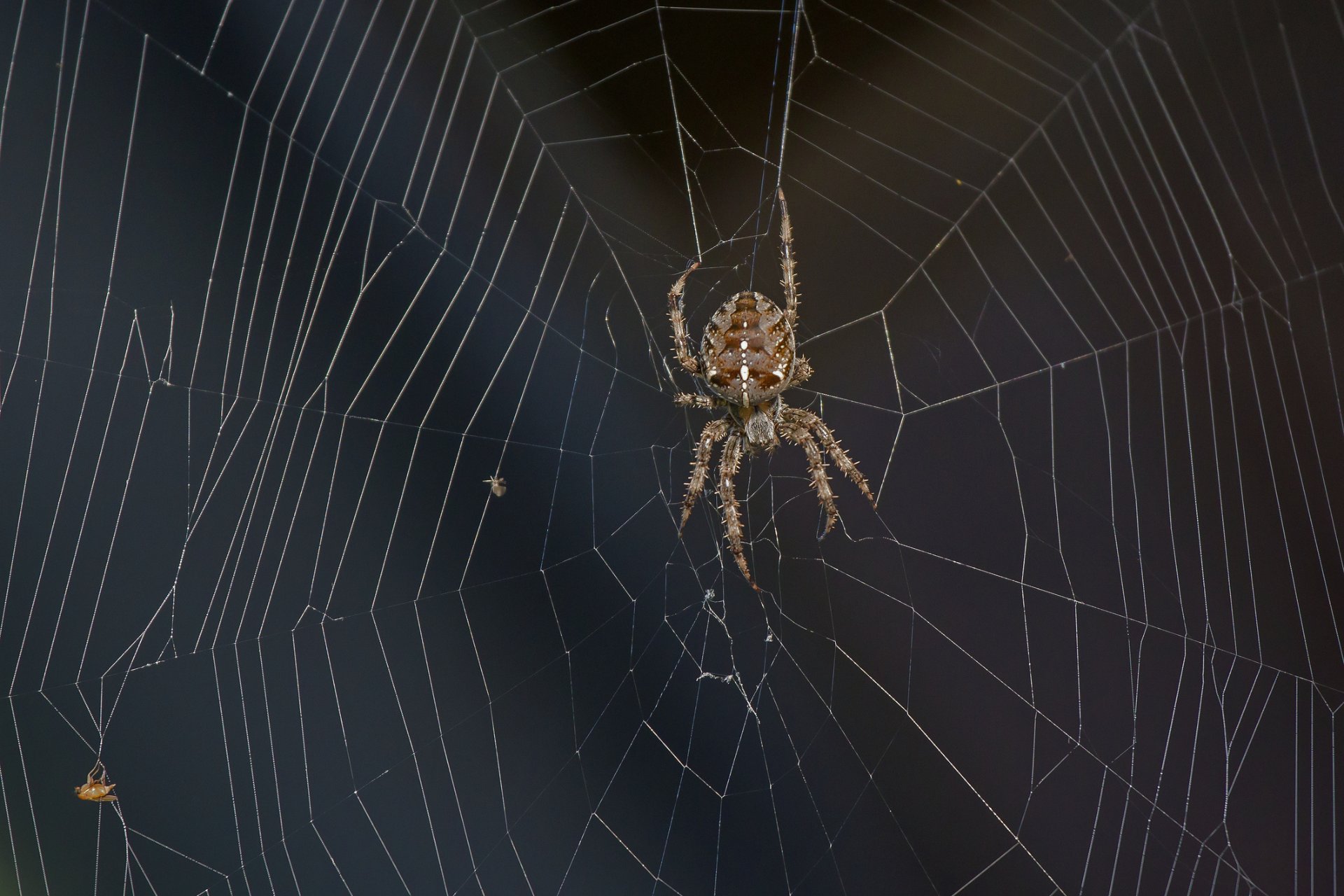
Spiders
Central Florida hosts a diverse spider fauna, from beneficial web-building species that pose no threat to people to medically significant ones requiring professional attention. Most spiders encountered in and around Florida homes pose no threat to humans and actively reduce pest populations by preying on flies, mosquitoes, ants, and other insects. However, several species are medically significant, and the warm, humid conditions in Central Florida support spider populations year-round at higher densities than in temperate states. Common spiders in Central Florida include the Southern black widow (Latrodectus mactans) and brown widow (Latrodectus geometricus), both capable of causing systemic illness. The brown widow has become the more commonly encountered widow spider in urban environments across South and Central Florida. Wolf spiders (Hogna carolinensis and related species) are large, fast-moving ground hunters frequently encountered indoors, particularly during fall and after heavy rains. Orb-weaver spiders construct large, visible webs in outdoor vegetation and pose no threat to people but can become a nuisance around porch lights and entry points where insects concentrate.
Learn More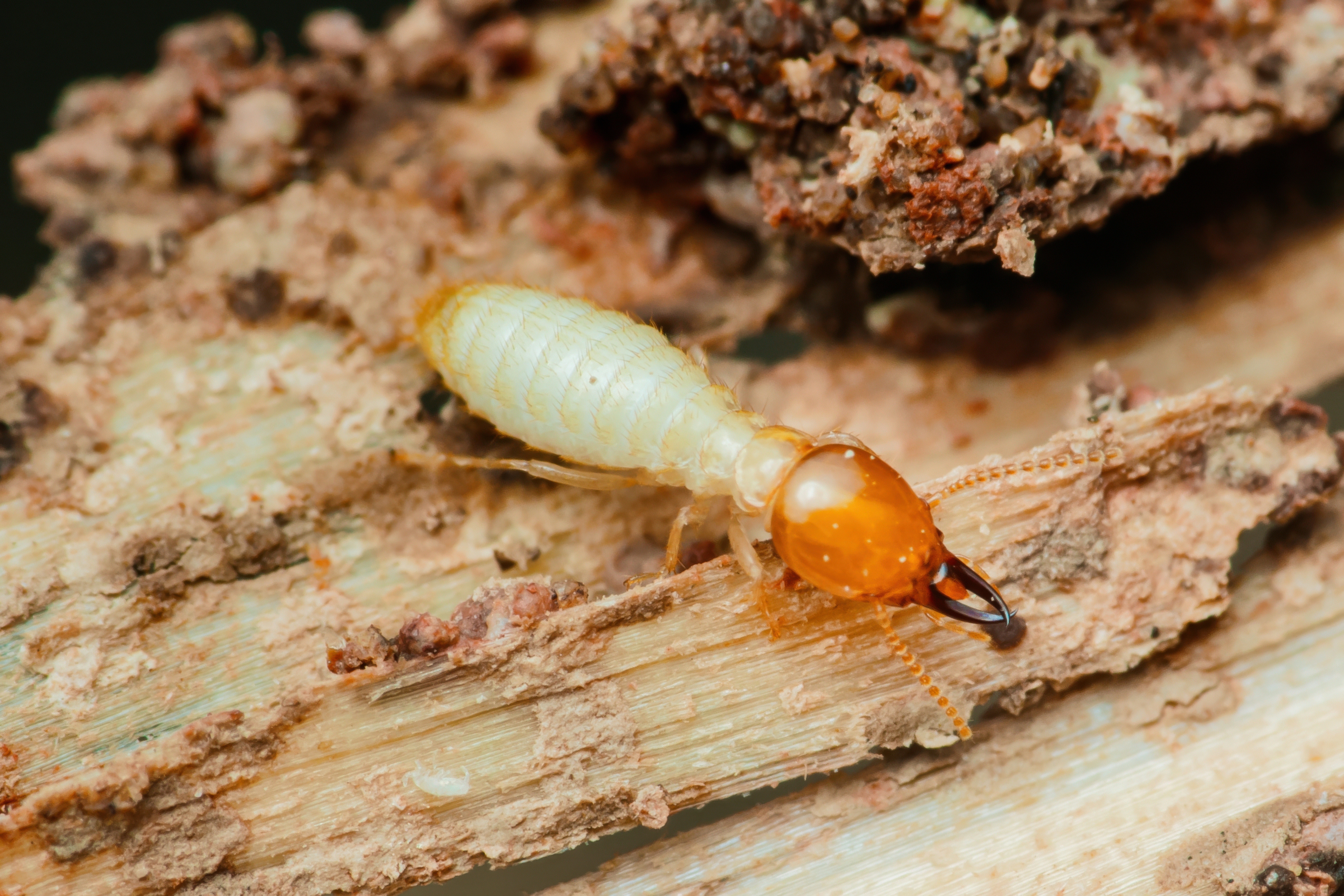
Subterranean Termite
Subterranean termites are the most destructive wood-destroying insects in North America, and Florida has some of the most intense subterranean termite pressure in the entire continental United States. The state's warm temperatures, high rainfall, and year-round soil moisture create near-ideal conditions for multiple subterranean termite species — and unlike in colder climates, Florida homeowners face active termite pressure in every month of the year with no seasonal break. Two species are most significant in Central Florida. The Eastern Subterranean Termite (Reticulitermes flavipes) is the most widespread termite species in North America and the primary subterranean species across much of the state. The Formosan Subterranean Termite (Coptotermes formosanus) is an invasive species from East Asia now established throughout coastal and central Florida, and is widely considered among the most aggressive and destructive termite species in the world. A mature Formosan colony can contain several million workers and consume approximately one pound of wood per day. **The Hidden Damage Problem** The critical distinction between subterranean termites and visible pest insects is that they feed from within, entirely hidden. Colonies live underground. Workers travel to wood sources through soil tunnels and construct mud tubes across exposed surfaces to reach structural wood, feeding on the inside of framing members while leaving a thin surface layer intact. This means the damage accumulates entirely concealed — inside floor joists, behind wall sheathing, within door and window frames — often for years before it becomes visible as hollow-sounding wood, buckling floors, or warped door frames. By the time damage is apparent, significant structural compromise has typically already occurred. The USDA estimates subterranean termites cause over $2 billion in property damage annually in the United States, the vast majority of which is excluded from standard homeowner's insurance policies. **Florida's Termite Density** Florida averages three to five active subterranean termite colonies per acre — and in many urban and suburban areas the density is substantially higher. Formosan subterranean termites can forage up to 100 meters from their colony center, meaning termites in municipal soil or on neighboring properties can infest your home with no obvious source on your own lot. Slab-on-grade construction — standard in Florida due to the state's high water table — gives termites direct access to wooden framing above through expansion joints, utility penetrations, and slab cracks.
Learn More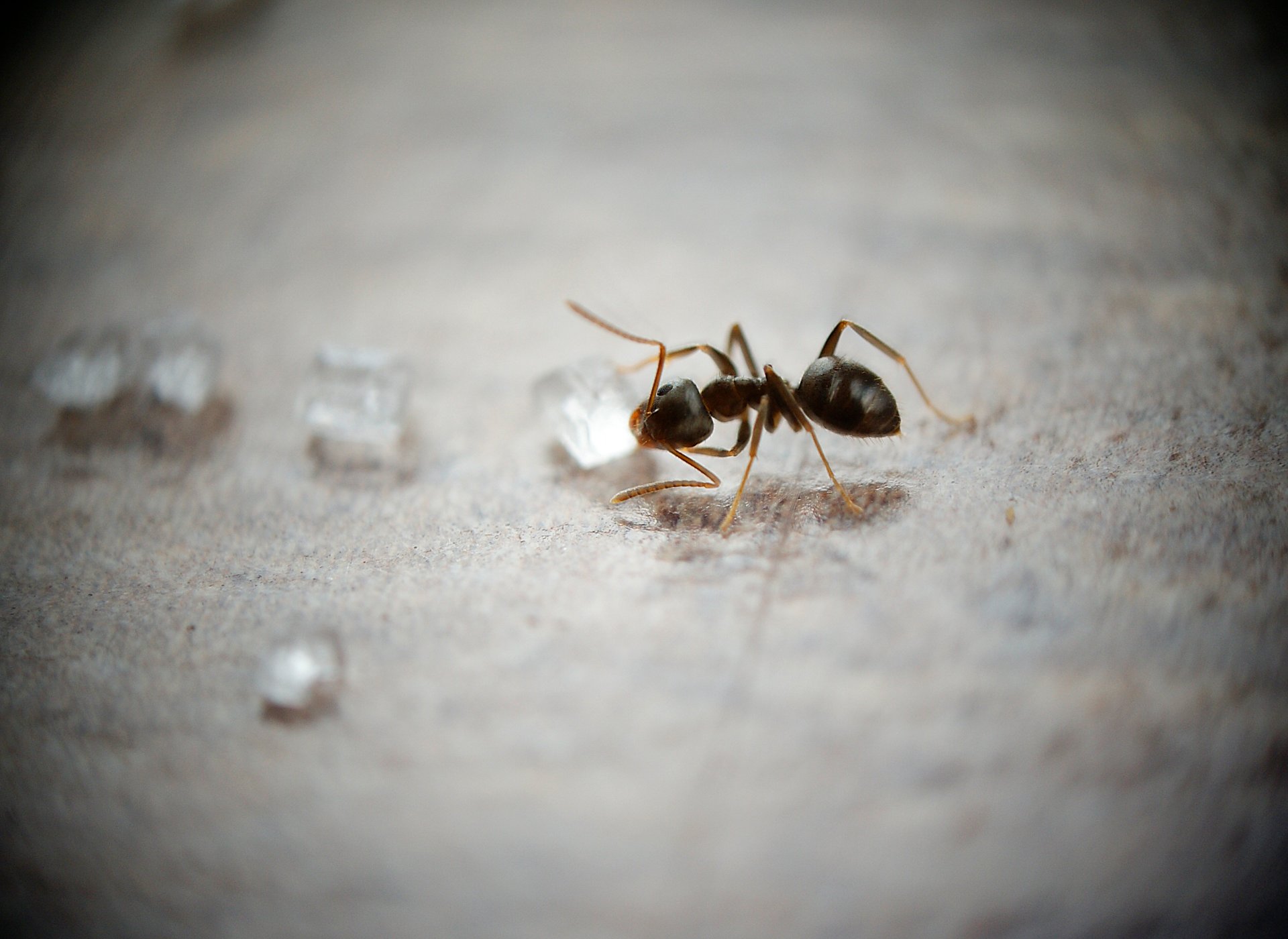
Sugar Ants
In Central Florida, the term "sugar ants" is applied loosely to several small ant species that invade homes in search of sweet foods and moisture. The most common is Brachymyrmex patagonicus, the dark rover ant — a species introduced from South America that has spread aggressively across Florida over the past two decades. Other species colloquially called sugar ants include ghost ants, Caribbean crazy ants, and occasionally fire ant scouts. All share a preference for sweet liquid food sources, small body size, and a tendency to trail-forage indoors. Sugar ants are one of the most common interior ant complaints in Central Florida homes. They exploit the smallest entry points — door sweeps, window weep holes, plumbing penetrations — and once a foraging trail is established, workers communicate via pheromones to bring hundreds of nestmates to a food source within hours. They are opportunistic and will forage in kitchens, bathrooms, pantries, and any space where moisture or sweet residue is present.
Learn More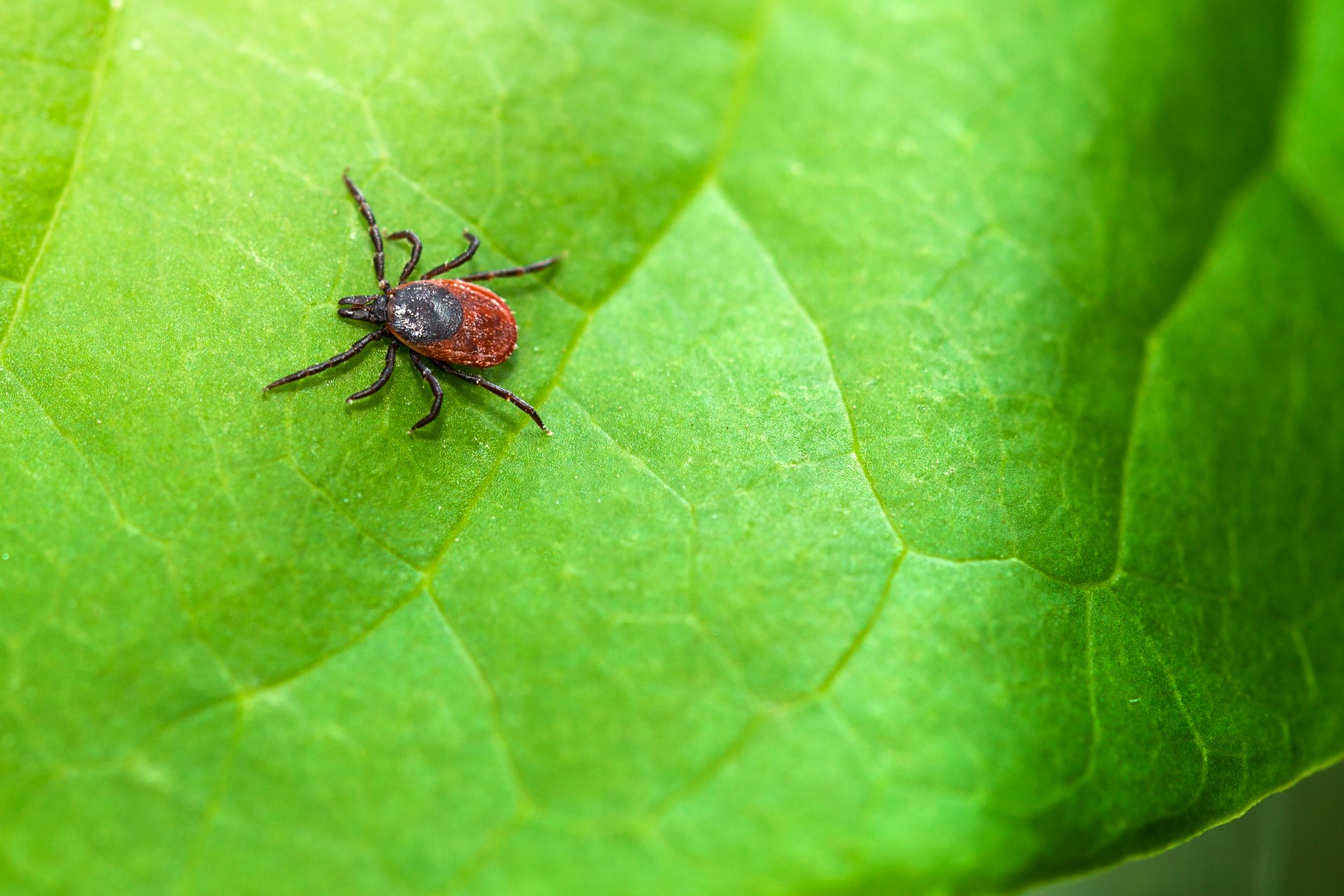
Ticks
Central Florida hosts several medically important tick species that pose year-round health risks to humans and pets. The American dog tick (Dermacentor variabilis), lone star tick (Amblyomma americanum), and Gulf Coast tick (Amblyomma maculatum) are the most frequently encountered species. The black-legged tick (Ixodes scapularis), the primary Lyme disease vector in the Northeast and Midwest, also occurs in Florida. Florida's mild winters allow ticks to remain active year-round, with the lone star tick being a year-round nuisance across Central Florida. Ticks do not jump or fly — they quest by climbing to the tips of grass blades, leaf edges, and low vegetation and wait for a warm-blooded host to brush against them. Wooded neighborhoods, properties adjacent to natural areas, and homes with deer, raccoons, or other wildlife visitors typically have the highest tick pressure. Risk is directly tied to outdoor activity in vegetated environments, and pathogen transmission requires hours of tick attachment to a host.
Learn More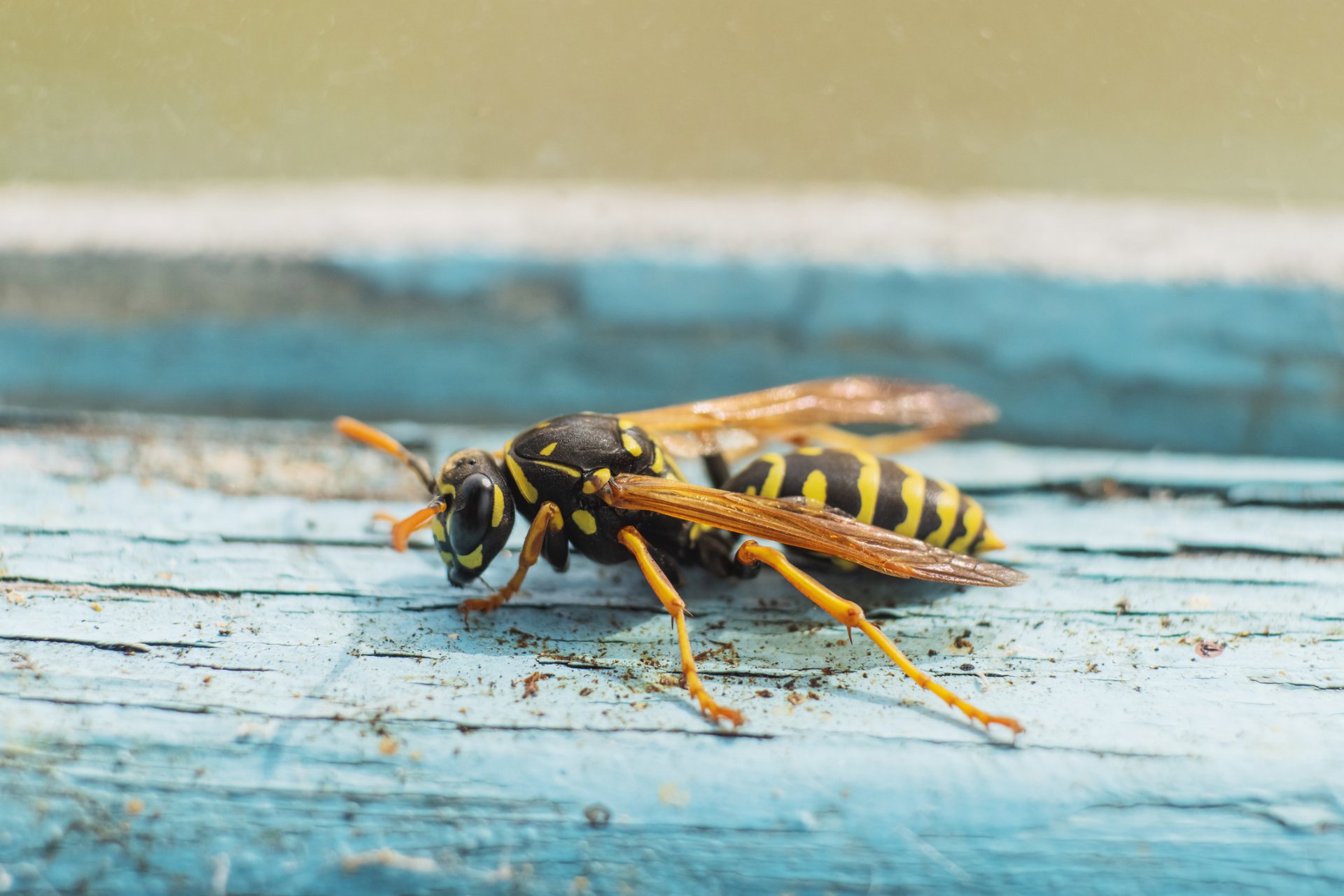
Wasps & Stinging Insects
Central Florida is home to a variety of stinging insects that commonly conflict with human activity. Paper wasps (Polistes exclamans and related species) are the most frequently encountered — they construct open, umbrella-shaped nests beneath roof eaves, inside gutter channels, under deck railings, and within landscape shrubs. Yellow jackets (Vespula squamosa in Florida) are ground- or void-nesters that are significantly more aggressive than paper wasps, particularly in late summer when colonies reach peak size. Bald-faced hornets (Dolichovespula maculata) construct large enclosed paper nests in trees or attached to structures and defend them aggressively within a wide perimeter. Mud daubers — solitary wasps in the family Sphecidae — are common throughout Florida and construct small mud tube nests on exterior walls, under eaves, and inside garages. Unlike social wasps, mud daubers are non-aggressive and rarely sting. Cicada killers (Sphecius speciosus) are very large, intimidating-looking solitary wasps that burrow in dry soil but rarely sting and pose little threat to people. Correct species identification matters before treatment, as management approaches and risk levels differ substantially.
Learn More